


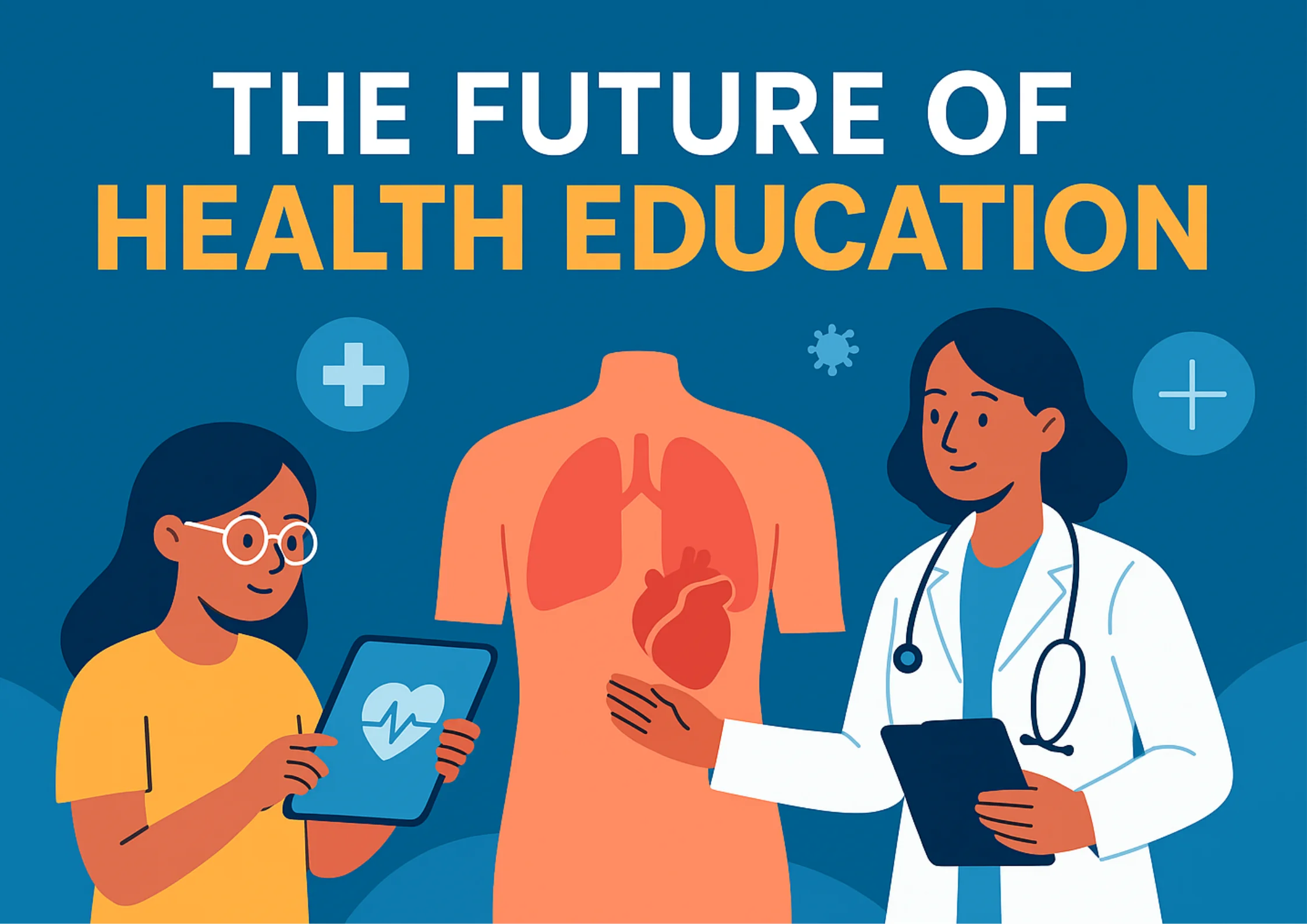
There’s been a huge change in how students learn about wellness– and it looks set to continue as we head into 2025.
New technology, tailored approaches, and cool teaching methods are all mixing together to transform the way young people develop skills they need for life.
Schools everywhere are seeing a wow moment as old-school teaching styles merge perfectly with digital tech! This shift is putting health education front and center in curriculum design– opening up ways for students to get involved with wellbeing like never before.
From primary schools to universities; teachers are discovering that getting pupils active (literally) makes them remember important facts about their health much better!
AI-Powered Personalization Transforms Learning

Artificial intelligence is transforming how students learn about health. AI-powered technology can’t just see how students are doing; it can also work out what they need.
With this kind of system, learners who struggle with nutrition may be given more pictures to look at and activities to do– while those who easily grasp the basics can have their heads turned by things like preventing disease or the sciences behind good mental health.
Such systems also enable students to get help when they need it rather than having to wait for class– meaning they can work at their own pace. It’s a win-win: educators also benefit because these systems free up time for them to spend both on in-depth lesson planning as well as providing extra individual support where necessary.
Digital Tools Create Immersive Learning Experiences

Virtual and augmented reality technologies are advancing into superb educational tools for today’s schools.
Rather than passively reading (or even rereading) a textbook, students can now do things with these technologies: experience 3D anatomy lessons, simulate emergency response scenarios, and explore the consequences on human health of various lifestyle choices.
Learning through experiences such as these makes complex health topics easier to grasp– and remember– than studying from a book alone.
Digital health education platforms help train teachers too: they provide resources on delivering comprehensive sex education and violence prevention lessons.
In short, using technology means both pupils and teachers can keep up with the latest facts about health– as well as new ways of teaching the subject!
Health Literacy Skills Drive Student Empowerment

- It remains vital for educational programs promoting health to focus on developing individuals’ ability to understand health information– in other words, their ‘health literacy skills.’
- Why? Because when students do get better at this stuff, they improve in ways such as being able to:
Figure out which health facts are legit (and find good sources) - Get around doctor’s offices and clinics without hassle– and stand up for themselves if needed
Make smarter calls about vaccines plus lifestyle things like exercise - Understand what their doctor says (including words found alongside prescriptions)
- Evidence from studies consistently shows that those who possess higher levels of health literacy not only live well on a day-to-day basis but also enjoy strong overall health– meaning there are fewer instances of illness within communities!
Collaborative Learning Models Enhance Engagement
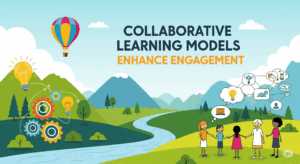
Looking at health education these days, teaching goes beyond just emphasizing collaborative learning.
One sees that students must team up more frequently if they want to solve real-world problems related to global health issues.
For example, case studies on nutrition or mental health promote skills such as consensus building– while also providing information about these topics!
Such methods foster environments where all learners are active participants; they break free from traditional “sage on the stage” instruction techniques.
Schools and programs are also incorporating interdisciplinary teaching approaches– which weave together threads of health/nutrition education with areas like technology social sciences and management concepts.
This weaving creates a rich fabric that prepares learners far better than single-subjected rote memorization ever could for the complexities awaiting them outside school walls.
Assessment Evolution Focuses on Real-World Application
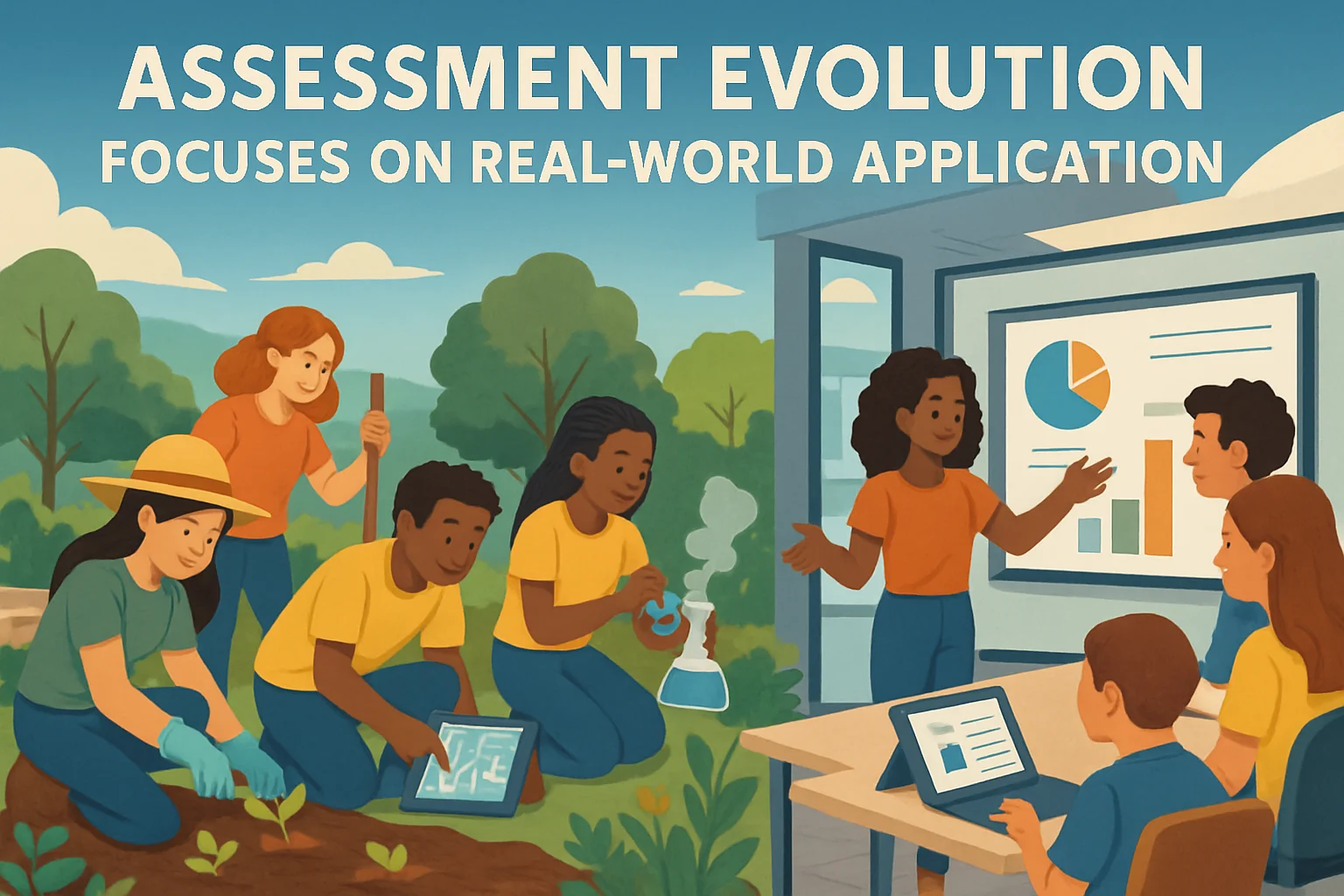
Gone are the days when students had to take boring health exams that tested how well they could recall random facts.
Now there is an exciting new approach: rather than just rattling off information for tests, children show what they know by creating portfolios, teaching their classmates about health topics, or even coming up with ideas for improving wellbeing in their local area!
These changes mean pupils are better able to use the knowledge they have learnt from studying this vital subject in everyday life– making both the lessons themselves and the skills gained from them more useful things overall.
Technology Integration Addresses Equity Concerns
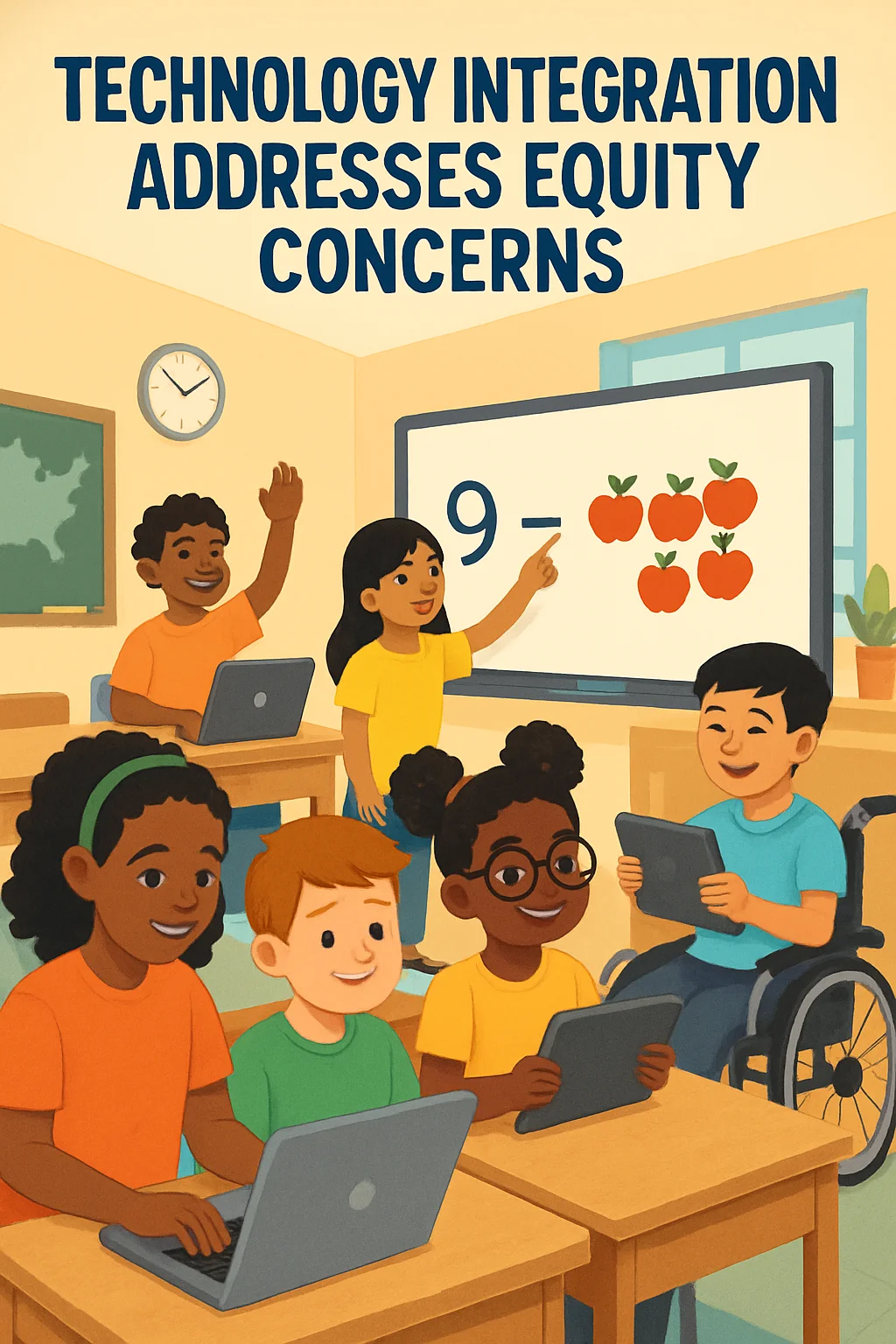
Even though technological advancement means there are lots of opportunities, teachers are making sure that every single pupil gets equal access– not just those who are better off.
Schools have begun programs to address these digital divides: getting devices and internet connections to children who don’t have them is one thing they are doing.
By focusing on equity in this way, we can be sure that technological improvements in health education will help all pupils– no matter what their socioeconomic background may be.
Future Outlook: Holistic Wellness Approaches

In the future, health education will take into account children’s emotional and social well-being as well as their physical health. The kids are being taught to see how everything connects— like how good food, exercise, and low stress levels all help you get along with others better!
Schools are also realizing more and more that it’s really important to tackle burnout before it happens; this goes for both pupils AND teachers.
Rather than just telling students facts about health (like we used to), the new way schools teach around this area is aimed at giving them LIFE SKILLS: things they can use every day to keep themselves feeling cool, calm, and collected– both while they’re studying and when they go out to work. The whole thing isn’t just about adding some technology— no, this is a fundamental shift. It’s all aimed at setting kids up for lifelong success when it comes to being well (both mentally & physically).
As these approaches keep evolving, students will graduate armed with a deep understanding of health concepts plus practical skills for looking after themselves. They’ll also have the ability to boost positive vibes in their communities regarding good health outcomes!
Frequently Asked Questions
1) The Role of Technology in Health Education.
Making use of technology in health education allows for a more personalized learning experience– one that is also fun and simple to access.
When you mix AI, apps, and virtual reality, tough subjects become easier to learn: complicated things make sense because learners can see them or try them out. This means they’ll remember key facts better– and use them when it counts.
2) How Does Learning About Health Help Prepare Young People for Life as Adults?
Learning health isn’t just about facts; it’s about picking up life skills such as selecting nutritious foods, coping with stress, or finding out how your body functions.
These skills give you the strength to stay well, sidestep common ailments, and as you get older deal with doctors, nurses, and hospitals on your own!
3) What Is “Health Literacy” and Why Does It Matter for Students?
Think of health literacy as being able to find and understand information about health– so that you can use it! If students have this skill (and lots of them do), they’ll be better at looking after themselves. They’ll also know what to say when they aren’t feeling great; or if a friend needs help. They may even answer some questions from younger siblings.
4) Is health education equally accessible to all students?
Indeed, it is! In health education, schools and teachers are making certain that every student has just one chance irrespective of their circumstances.
Making sure pupils have the devices they need and providing online resources, as well as extra support, helps close any gaps so that all learners can benefit.
5) Which new subjects has health education taken on board?
Health education nowadays is broader than topics such as exercise and diet alone.
It now incorporates mental health; emotional wellbeing; staying safe online; forming healthy relationships; plus spotting (and coping with) stress and burnout— meaning the curriculum better reflects young people’s needs by taking a more rounded approach.


