

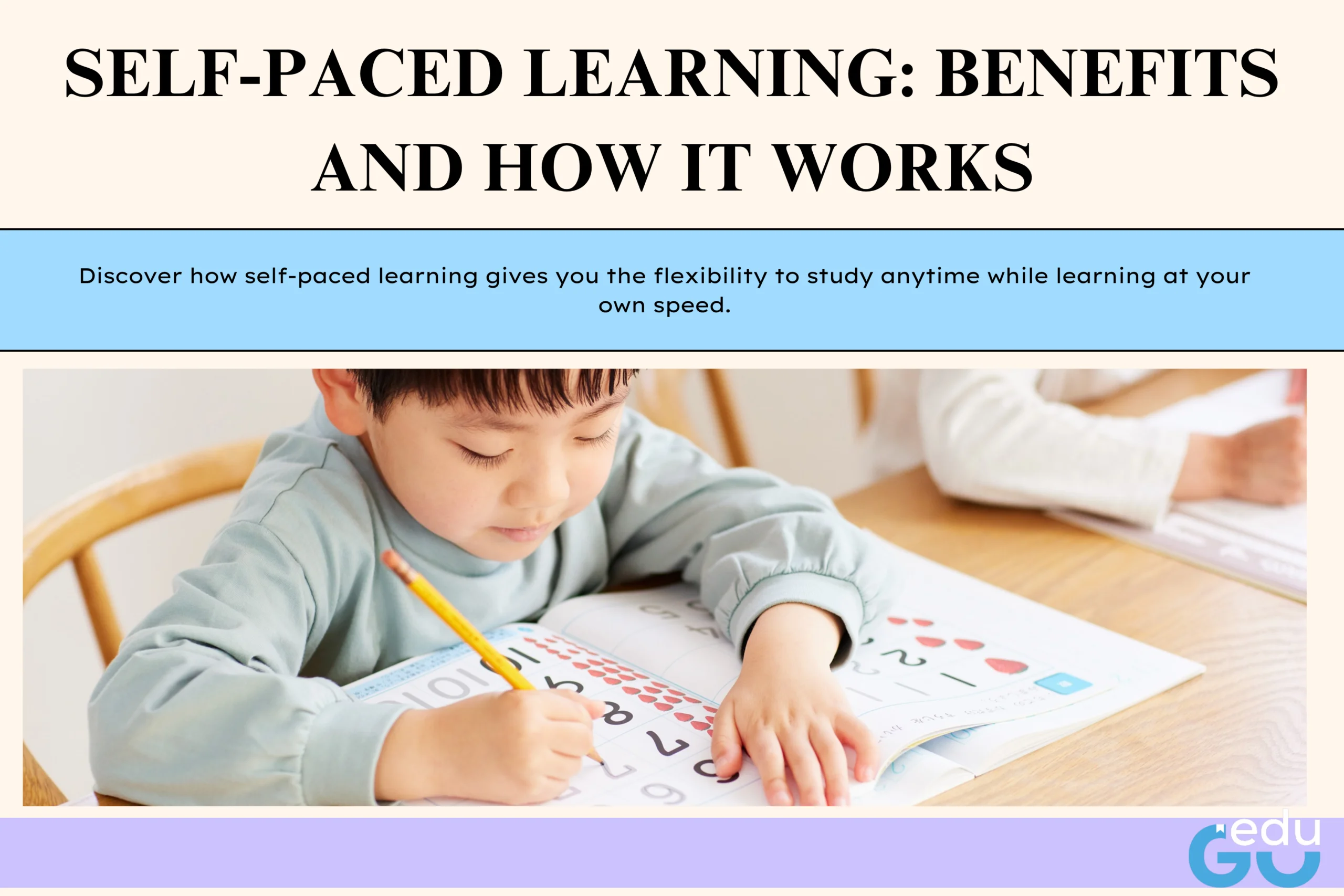
Education has changed rapidly, and students no longer learn at the same pace. Self-Paced Learning gives learners the flexibility to study at their own speed and understand concepts with greater confidence.
Whether you’re a parent exploring options for your child, a student looking for more flexibility, or an educator trying to support different learning speeds, understanding this approach can make a real difference in academic outcomes.
What Is Self-Paced Learning?

Self-paced learning is an educational method where learners control the speed, timing, and sequence of their studies. Instead of following a rigid classroom timetable, students move through lessons based on their own understanding and comfort level.
This method is widely used in online courses, homeschooling programs, corporate training, and increasingly in mainstream schools through blended learning models.
A Simple Way to Understand It
Think of it like reading a book versus watching a live broadcast. A live broadcast moves at a fixed pace whether you understand it or not. A book, however, lets you pause, reread, or skip ahead. Self-paced learning works the same way, giving learners the freedom to engage with content on their own terms.
How Self-Paced Learning Platforms Work
Most modern education technology relies on self-paced learning platforms to make this model practical and scalable. These platforms typically include recorded lessons, interactive quizzes, progress tracking, and personalized recommendations.
Here’s a general breakdown of how they function:
- Content Library: Lessons are pre-recorded or text-based, available anytime.
- Progress Tracking: Dashboards show what has been completed and what remains.
- Assessments: Quizzes or assignments confirm understanding before moving forward.
- Adaptive Pathways: Some platforms adjust difficulty based on performance.
- Flexible Access: Learners can study from mobile devices, tablets, or computers.
This structure allows students to revisit difficult topics without feeling rushed, while faster learners can move ahead without waiting for the rest of a class.
Why Self-Paced Learning Is Becoming Popular

There are several reasons families, schools, and workplaces are shifting toward this model.
1. Flexibility for Different Schedules
Not every student has the same daily routine. Some manage extracurricular activities, family responsibilities, or health concerns. Self-paced learning fits around real life instead of forcing life to fit around a fixed timetable.
2. Reduces Academic Pressure
Traditional classrooms often move at an average pace, which can leave some students behind while others feel under-challenged. With flexible learning, students avoid the stress of constantly trying to keep up.
3. Encourages Independent Thinking
Because learners are responsible for managing their own progress, they naturally develop discipline, time management, and problem-solving skills—abilities that are valuable far beyond the classroom.
4. Supports Different Learning Styles
Visual learners, auditory learners, and hands-on learners often need different amounts of time with material. A flexible structure respects these differences instead of treating every student the same way.
Benefits of Self-Paced Learning for Students
For students, the advantages go beyond just academic performance.
- Builds confidence by allowing mastery before moving forward
- Reduces anxiety related to timed comprehension
- Improves retention since concepts aren’t rushed
- Allows revisiting lessons as many times as needed
- Encourages self-motivation and accountability
Many students report feeling more engaged when they aren’t constantly comparing their pace to classmates.
Benefits of Self-Paced Learning for Parents
Parents often appreciate this model because it offers more visibility into their child’s learning journey.
- Easier to track progress through built-in dashboards
- Reduces pressure-related conflicts at home
- Allows learning to continue during travel, illness, or scheduling conflicts
- Helps identify specific subjects where a child may need extra support
This transparency makes it easier for parents to stay involved without micromanaging every assignment.
Benefits of Self-Paced Learning for Educators
Teachers and trainers also benefit significantly from this model, especially when using structured digital tools.
- Allows more personalized attention to struggling students
- Frees up classroom time for discussion-based learning
- Provides data-driven insights into student performance
- Reduces repetitive grading through automated assessments
By relying on self-paced learning platforms, educators can shift from simply delivering information to actively mentoring students based on real performance data.
Common Challenges and How to Overcome Them

While the benefits are significant, this approach isn’t without challenges.
Lack of Structure
Some learners may struggle without strict deadlines. Setting personal weekly goals can help maintain consistency.
Reduced Social Interaction
Group discussions and peer learning may decrease. Combining self-paced modules with occasional live sessions can solve this.
Procrastination Risk
Without external pressure, some students delay tasks. Using reminders, progress trackers, and small milestones helps maintain momentum.
How to Choose the Right Self-Paced Learning Platform
If you’re considering this method, here are a few factors worth evaluating:
- User Interface: Should be simple and easy to navigate for all age groups.
- Progress Tracking: Look for clear dashboards and performance reports.
- Content Quality: Lessons should be well-structured and accurate.
- Support System: Access to mentors, tutors, or community forums.
- Assessment Tools: Regular quizzes to reinforce understanding.
Choosing the right platform can significantly influence how effective this learning style becomes for a student.
Final Thoughts
Self-paced learning is reshaping how students engage with education by offering flexibility, reducing stress, and supporting individual learning speeds. With the right tools and a bit of personal discipline, learners of all ages can benefit from this modern approach to education.
As more schools and families explore digital learning options, understanding how this model works can help you make informed decisions—whether you’re a student aiming for better results, a parent supporting your child’s education, or an educator looking to personalize instruction.
FAQs
Q1. What is Self-Paced Learning?
Ans: Self-Paced Learning is a learning method that allows students to complete lessons and assignments at their own speed without following a fixed classroom schedule.
Q2. What are the benefits of Self-Paced Learning?
Ans: Self-Paced Learning offers flexibility, reduces learning pressure, improves knowledge retention, and allows students to study whenever it is most convenient for them.
Q3. Is Self-Paced Learning suitable for all students?
Ans: Yes, Self-Paced Learning can benefit learners of all ages, especially those who prefer flexible schedules, independent study, or need extra time to understand concepts.
Q4. How can students stay motivated during Self-Paced Learning?
Ans: Students can stay motivated by setting clear goals, creating a study timetable, tracking progress, and taking regular breaks while following their Self-Paced Learning plan.
Q5. Can Self-Paced Learning improve academic performance?
Ans: When practiced consistently, Self-Paced Learning can improve understanding, boost confidence, and help students achieve better academic and skill-development outcomes.