



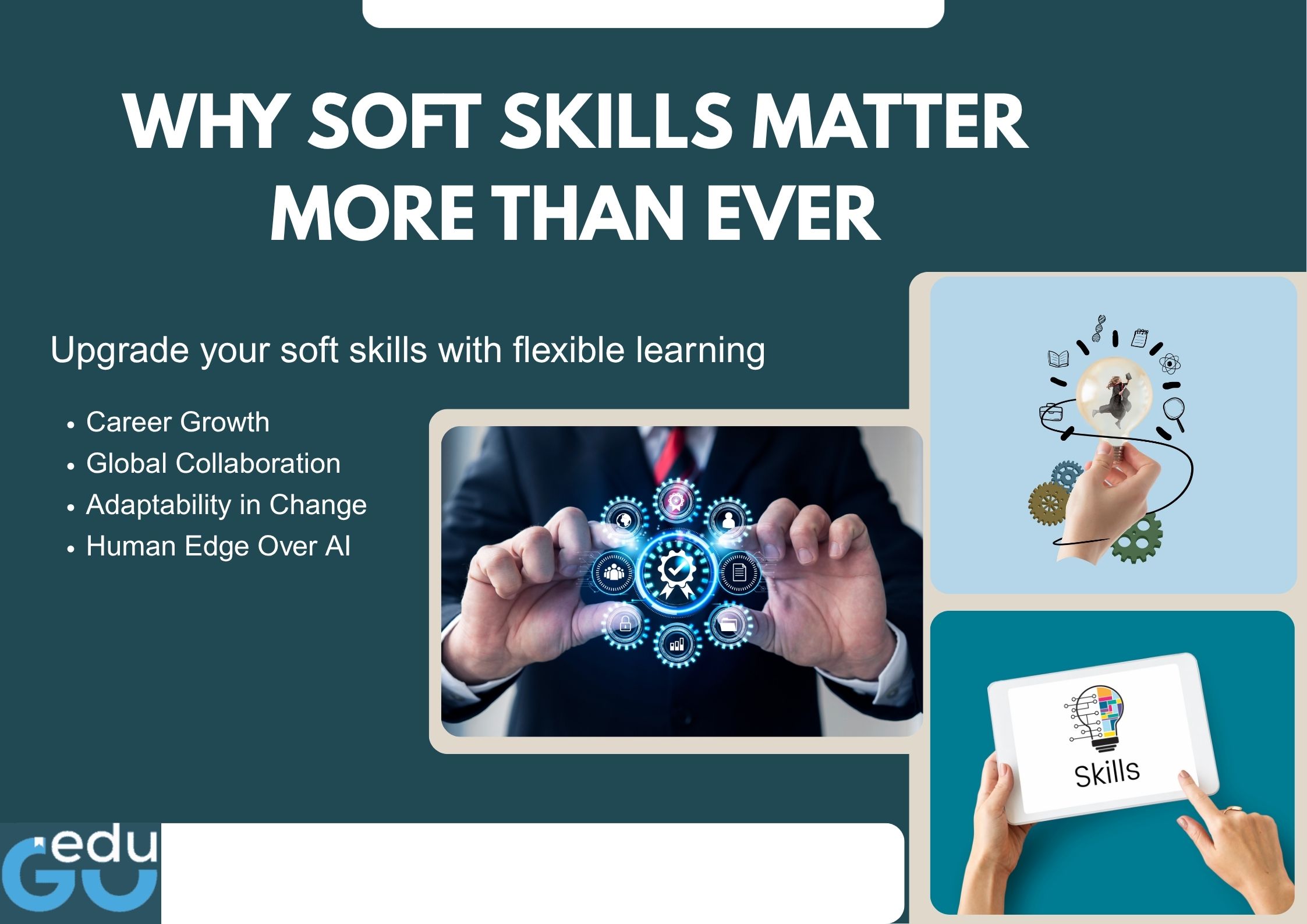
With the constantly evolving world economy, technical skills alone are insufficient to spur long-term professional development and individual achievement.
The Significance of Soft Skills in Today’s World cannot be overemphasized because these social and behavioral skills have become equal to technical skills in nearly every profession.
No matter whether it’s communication, collaboration, flexibility, or problem-solving, soft skills enable an individual to thrive in a variety of environments and bridge the gap between knowledge and action.
Employers and educators are now increasingly aware that people with strong soft skills are more effective leaders, better collaborators, and more adaptable professionals.
The Importance of Soft Skills in Today’s World

They are a mix of interpersonal characteristics, communication skills, emotional intelligence, and personal disciplines that delineate a person’s ability to perform tasks effectively when dealing with people.
Unlike hard skills whose measurement can be done applying technical know-how or post-secondary education, soft skills are abstract in nature and are mostly an indication of one’s personality and character.
These are skills such as communication, leadership, time management, flexibility, empathy, collaboration, conflict resolution, and critical thinking.
These are not only the skills that determine the manner in which we work, but also the way in which we interact with other human beings in our personal and work life.
Why Soft Skills Matter in the Workplace

In today’s workplace, where collaboration between teams, departments, and even nations is common, technical expertise by itself will not make you a success.
A genius engineer who lacks the ability to communicate concepts may never reach leadership positions. Similarly, a marketer who cannot plan time or respond to unexpected changes will discourage project success.
Soft skills are the icing on the cake of technical expertise, enabling sound working, enhanced productivity, and effective working relationships within the workplace.
Nowadays, employers are looking for people with good skills combined with technical skills. Soft skills such as problem-solving, team playing, and communication are mentioned in most hiring surveys as higher than some technical skills to hire or not to hire.
Actually, most of the soft skill determine whether one gets promoted to a leadership role because dealing with people involves empathy, communication, and flexibility not technical expertise.
Soft Skills and Leadership Skills

Leadership skills today is not a matter of exercising power but of inspiring and motivating teams to collaborate towards a common purpose.
A technically skilled leader who is lacking in communication and empathy will not be able to command respect and trust.
But a leader who is emotionally intelligent, a peacekeeper, and an active listener inspires loyalty, creativity, and productivity from team members.
Soft skill enable leaders to effectively lead teams, navigate crises, and change strategy according to changing situations.
The Use of Soft Skills in Education
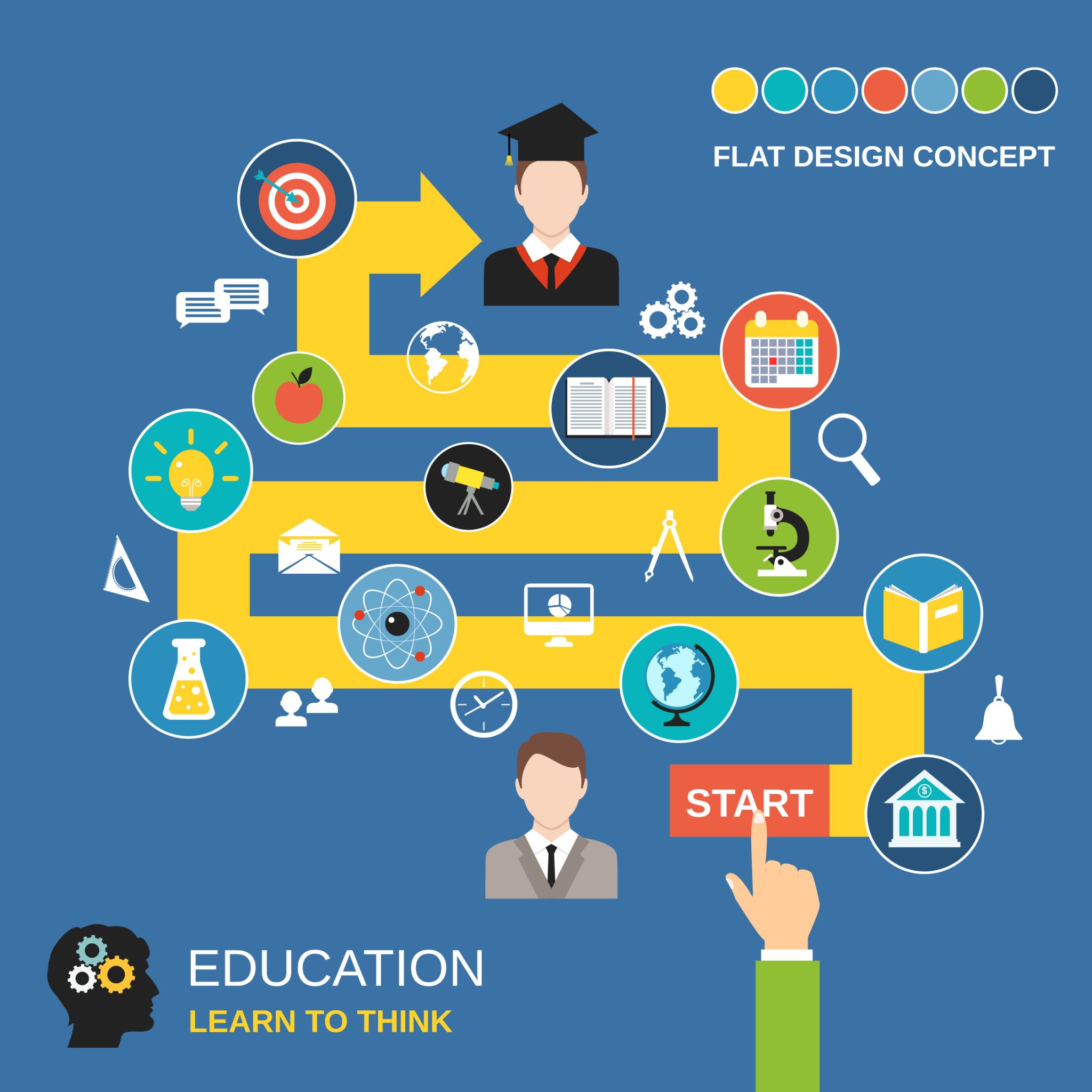
Soft skills are not only professionally applicable—it starts with education. Educational institutions everywhere are realizing the importance of developing interpersonal and behavioral competencies, in addition to academic competencies.
Teachers give a lot of emphasis on group tasks, presentations, debates, and extra-curricular activities to promote collaboration, communication, and problem-solving.
These students who develop these skills early in life not only perform better academically but also adapt better into the labor market, where cooperation and adaptability are essential.
Soft Skills in a Globalized World
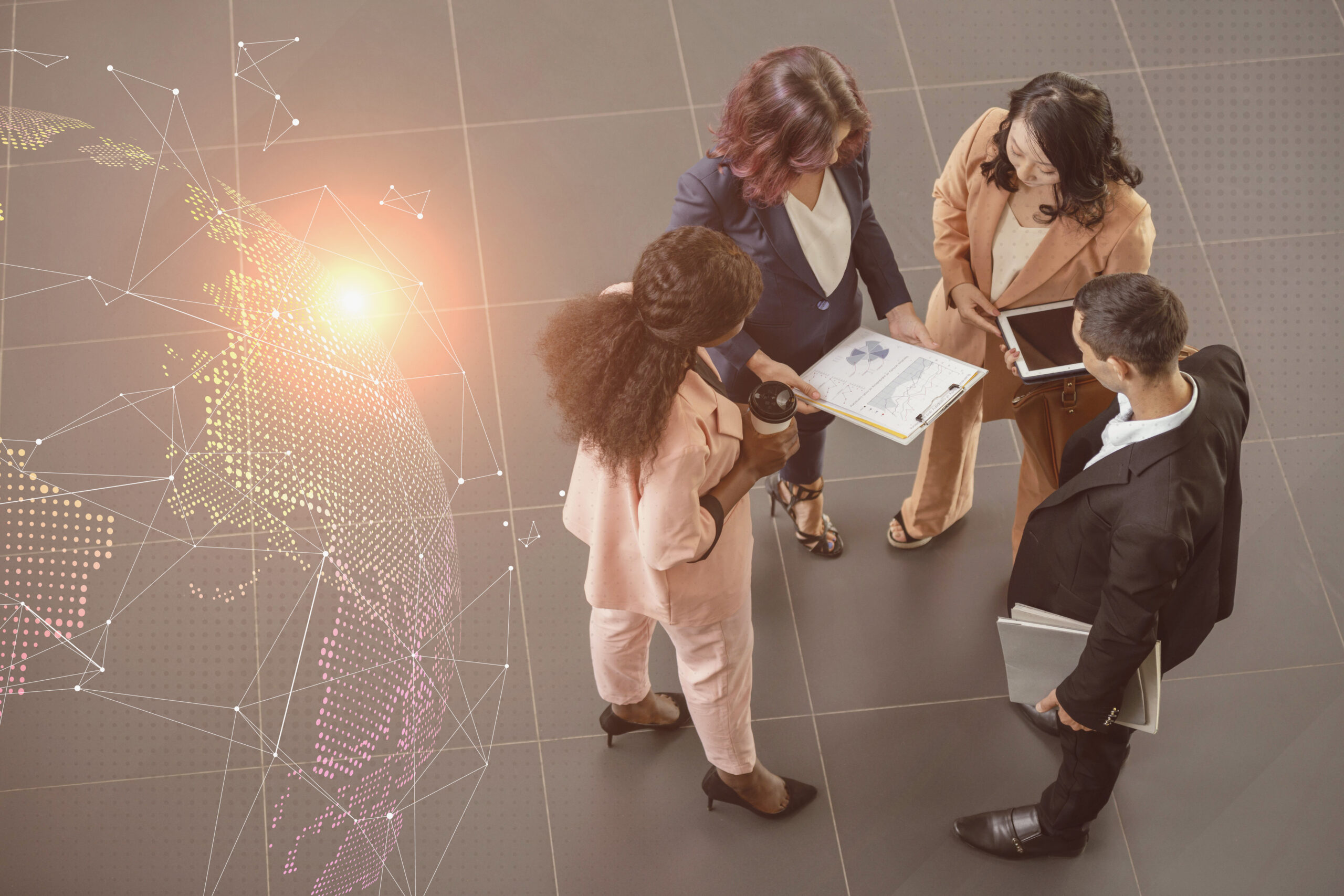
The global world of today is more interdependent than ever before. With the remote work culture and globalization, professionals often collaborate with colleagues, clients, and stakeholders from different cultures.
This requires cultural sensitivity, emotional intelligence, and communication skills.
A software developer from India may work with a designer in the U.S. and a project manager in Europe. They will need to trust empathy, listening, and flexibility to overcome time-zone and cultural differences.
Besides that, the world economy keeps evolving with the speed of technology. New sectors open and others close, and the workers must reskill and adapt every day. Flexibility, reasoning ability, and problem-solving are the call of the hour in this case.
Individuals with good soft skills can master new tools and implement them rapidly, accommodate change easily, and remain current in changing work environments.
Soft Skills and Personal Growth
Besides professional growth, soft skills are essential to personal growth. Empathy, patience, and conflict resolution are a few skills that promote more harmonious inter-personal relationships among family members, friends, and society.
Effective communication demands respect and trust, and flexibility and resilience enable one to handle matters and uncertainties of life.
Emotional intelligence, in fact, enables one to identify and manage his or her emotions, improving the mental state and relations with people.
The Soft Skills in the Digital Age

Ironically, with the age of the digital era and its unprecedented technological progress, it has also contributed to making soft skill all the more significant.
With more dependency on virtual communication, video conferencing, and collaboration tools, being able to communicate clearly and effectively and build professional relations becomes vital.
Soft skills like document clarity, etiquette in online interactions, and listening are the minimum requirements for effectiveness as well as confidence levels in virtual environments.
In addition, artificial intelligence and automation are already assuming most technical mundane tasks. The direction is such that the areas that machines cannot replace—humanity’s empathy, creativity, emotional intelligence, and leadership—will constitute the future workforce.
Acquiring Soft Skills

Although certain soft skill are inherent, the rest can be acquired and enhanced by practice and deliberate effort. Some of the methods of acquiring soft skill include:
Self-awareness – Taking time to know one’s weak and strong points.
Active learning – Attending workshops, classes, and group exercises in communication and team building.
Feedback – Seeking constructive feedback from others and mentors to improve interpersonal behavior.
Practice – Practising the soft skills in real-life situations, such as managing small projects, volunteering, or guiding others.
Adaptaitbily – Being open to new experiences and venturing out of one’s comfort zone in an attempt to develop resilience.
Frequently Asked Questions(FAQ)
Q1. Why are soft skills so important in today’s workplace?
Ans: Soft skill are vital because they complement technical abilities by enhancing communication, teamwork, adaptability, and leadership.
Q2. How do soft skills differ from technical or hard skills?
Ans: Hard skills are job-specific and measurable—like coding, accounting, or design—while soft skills are behavioural and relational, such as empathy, problem-solving, and communication.
Q3. Can soft skills be learned or improved?
Ans: Yes, soft skill can be developed through self-awareness, consistent practice, and feedback. Participating in group activities, attending workshops, and engaging.
Q4. What are the most in-demand soft skills today?
Ans: The most valued soft skills in the modern workplace include communication, leadership, teamwork, flexibility, problem-solving, emotional intelligence, and time management.
Q5. How do soft skills influence personal growth and relationships?
Ans: Soft skill enhance self-awareness, empathy, and emotional control, helping individuals build meaningful relationships and handle life’s challenges.


