

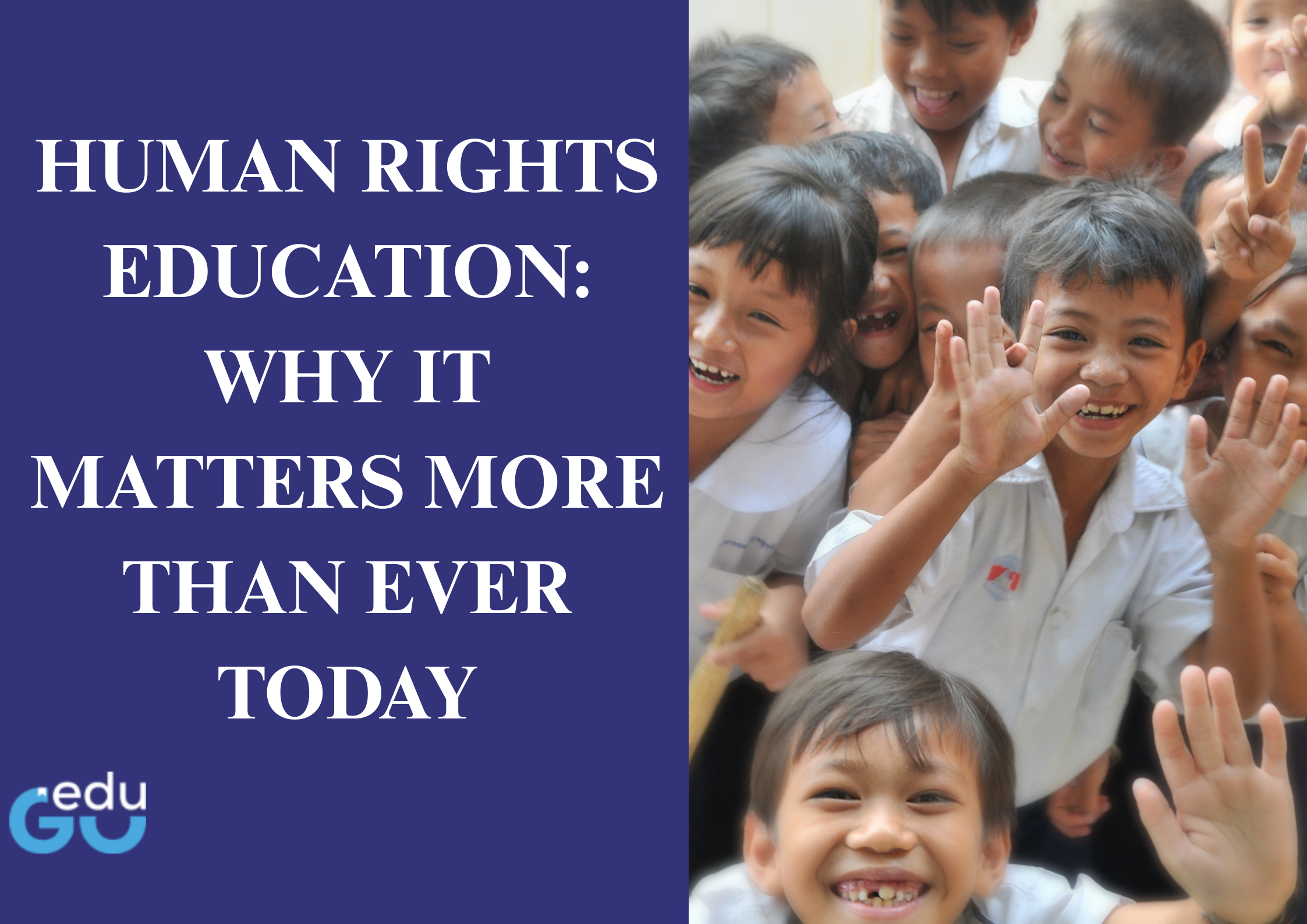
In today’s rapidly changing world, awareness of rights and responsibilities is no longer optional—it’s essential. Schools are not just places for academic learning; they are spaces where young minds develop values, empathy, and social understanding.
Teaching students about fairness, dignity, and equality prepares them to become responsible citizens. This is where Human Rights Education plays a crucial role in shaping a more just and inclusive society.
What Is Human Rights Education?

Human Rights Education refers to the process of teaching students about their basic rights, freedoms, and responsibilities. It goes beyond textbooks and focuses on developing awareness, respect, and action.
Key Elements of This Approach
- Understanding fundamental rights and freedoms
- Promoting equality and non-discrimination
- Encouraging respect for diversity
- Building critical thinking and ethical reasoning
This form of learning empowers students to stand up for themselves and others in real-life situations.
Why Human Rights Education Is Important Today

The modern world faces challenges like inequality, discrimination, and social injustice. Educating students about their rights helps them navigate these issues with confidence and awareness.
1. Builds Awareness from a Young Age
Students learn about fairness, justice, and equality early in life, shaping their mindset positively.
2. Promotes Respect and Inclusion
It encourages acceptance of different cultures, beliefs, and perspectives.
3. Encourages Responsible Citizenship
Students become more aware of their role in society and contribute positively.
4. Develops Critical Thinking
They learn to question injustice and think independently.
Role of Human Rights Education in Schools

Schools play a vital role in integrating these values into everyday learning.
How Schools Can Implement It
- Including value-based lessons in the curriculum
- Encouraging open discussions and debates
- Organizing awareness programs and activities
- Promoting inclusive classroom environments
When students experience fairness in school, they are more likely to practice it in real life.
Benefits for Students, Parents, and Educators
Benefits for Students
- Better understanding of personal rights
- Improved social behavior
- Strong moral values
- Confidence to speak up
Benefits for Parents
- Helps guide children ethically
- Builds trust and communication
- Encourages responsible upbringing
For Educators
- Positive classroom environment
- Enhanced student engagement
Human Rights Education and Global Citizenship

In a connected world, students must think beyond borders. Learning about rights helps them understand global issues and act responsibly.
Real-World Impact
- Encourages participation in social causes
- Builds empathy towards global challenges
- Prepares students for leadership roles
This approach helps create individuals who care not only about themselves but also about society.
Challenges in Implementing Human Rights Education
While the benefits are clear, implementing this type of education comes with challenges.
Common Challenges
- Lack of awareness among educators
- Limited curriculum space
- Cultural and societal barriers
Solutions
- Teacher training programs
- Integrating topics into existing subjects
- Encouraging interactive learning methods
With the right approach, these challenges can be effectively managed.
The Future of Education with Human Rights Awareness
Education is evolving, and value-based learning is becoming more important than ever. Schools that focus on both academics and ethics will shape stronger future generations.
What Lies Ahead
- Integration with digital learning platforms
- Increased focus on emotional intelligence
- Stronger emphasis on inclusive education
Conclusion
Education today is about more than just knowledge—it’s about values. Teaching students about rights and responsibilities helps build a better society.
By focusing on awareness, respect, and equality, Human Rights Education empowers individuals to create positive change. It is not just important—it is essential for a peaceful and progressive future.
Frequently Asked Questions
Q1. What is Human Rights Education in simple terms?
Ans: Human Rights Education teaches students about their basic rights, freedoms, and responsibilities, helping them understand equality, respect, and justice in daily life.
Q2. Why is Human Rights Education important for students?
Ans: It helps students develop awareness, critical thinking, and respect for others, preparing them to become responsible and informed citizens.
Q3. How can schools include Human Rights Education in the curriculum?
Ans: Schools can integrate it through value-based lessons, discussions, real-life examples, and activities that promote equality and inclusion.
Q4. What are the benefits of Human Rights Education?
Ans: It builds confidence, promotes respect, improves decision-making skills, and encourages social responsibility among students.
Q5. How does Human Rights Education support global citizenship?
Ans: It helps students understand global issues, respect diversity, and take actions that contribute to a fair and peaceful society.