

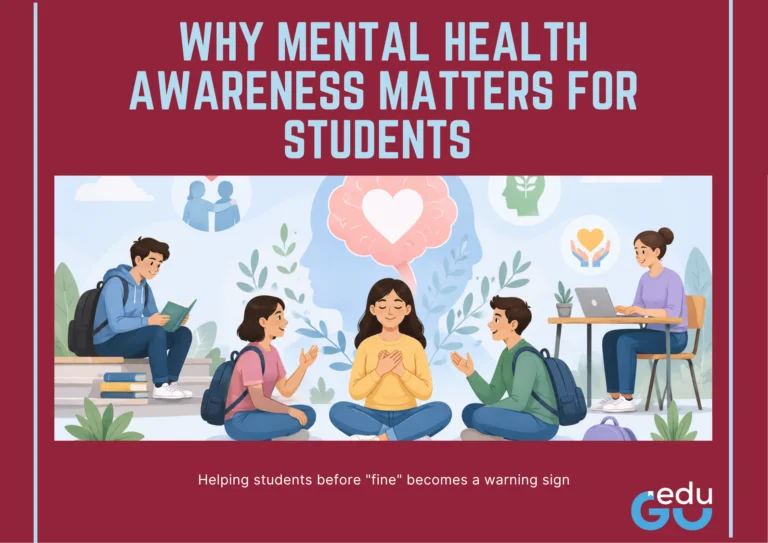



Why Modern Education Needs Student Interaction

Students learn more effectively when they actively participate in lessons instead of simply listening. Research in education consistently shows that engagement improves retention, motivation, and understanding.
Interactive learning environments help students:
- Build confidence in communication
- Improve problem-solving abilities
- Learn teamwork and leadership
- Develop emotional intelligence
- Stay more focused during lessons
Modern schools are now integrating digital tools, flexible seating, project-based activities, and peer discussions to create more engaging learning experiences.
This transformation has made classrooms more dynamic and inclusive for different learning styles.
Understanding Collaborative Learning in Education
Collaborative Learning is an educational approach where students work together to achieve shared academic goals. Instead of learning individually, students participate in discussions, group tasks, and cooperative projects that encourage idea sharing and mutual support.
This method shifts the classroom from teacher-centered instruction to student-centered participation. Learners become active contributors rather than passive listeners.
The approach is widely used because it encourages:
- Better classroom communication
- Increased student participation
- Improved academic performance
- Stronger peer relationships
- Higher engagement levels
Teachers also benefit because students become more independent and responsible during classroom activities.
Benefits of Group-Based Learning Techniques

Improved Communication Skills
When students discuss ideas with classmates, they naturally improve their speaking and listening abilities. They learn how to explain opinions clearly, ask questions, and respond respectfully.
These communication habits become valuable skills beyond the classroom.
Better Critical Thinking
Working in groups exposes students to different viewpoints. This encourages deeper thinking and helps them evaluate ideas from multiple perspectives.
Students begin to analyze information rather than memorize it.
Increased Classroom Participation
Some students hesitate to answer questions in front of the entire class. Smaller group settings create a safer environment where shy learners feel more comfortable sharing ideas.
As participation increases, confidence also grows.
Stronger Problem-Solving Skills
Team activities often require students to solve challenges together. This develops creativity, logical thinking, and decision-making abilities.
These experiences prepare students for future academic and professional situations.
Higher Student Engagement
Interactive activities reduce boredom and encourage active involvement. Students are more likely to remain attentive when they are part of discussions and projects.
Engaged students often achieve better learning outcomes.
Effective Collaborative Learning Techniques for Modern Classrooms
Modern educators use different strategies to encourage teamwork and participation. Choosing the right technique depends on classroom size, student age, and lesson objectives.
Think-Pair-Share Method
This simple yet effective strategy encourages every student to participate.
The process includes:
- Students think individually about a question
- They discuss ideas with a partner
- Pairs share responses with the class
This technique improves confidence and encourages active listening.
Group Projects
Group assignments help students divide responsibilities and work toward a common objective.
These projects may include:
- Science experiments
- Research presentations
- Creative storytelling
- Classroom debates
- Poster-making activities
Students learn accountability while developing teamwork skills.
Peer Teaching
Peer teaching allows students to explain concepts to classmates. Teaching others helps learners strengthen their own understanding of a topic.
This technique is especially effective for revision sessions and difficult subjects.
Jigsaw Learning Strategy
In this approach, each student becomes an expert on one section of a topic. Students then teach their assigned section to teammates.
This strategy encourages responsibility and ensures active participation from every learner.
Problem-Based Learning
Students work together to solve real-world challenges or case studies.
For example:
- Designing eco-friendly school ideas
- Solving community issues
- Creating business models
- Planning awareness campaigns
Problem-based activities make lessons more meaningful and practical.
Digital Collaboration Activities
Technology has transformed modern education. Teachers now use digital platforms for collaborative assignments and virtual teamwork.
Popular classroom tools include:
- Shared presentations
- Interactive quizzes
- Online discussion boards
- Collaborative whiteboards
- Educational apps
Digital learning encourages creativity while improving technical skills.
Creating a Successful Collaborative Classroom

Not every group activity automatically leads to success. Teachers must create structured environments where teamwork remains productive and inclusive.
Set Clear Expectations
Students should understand:
- Their responsibilities
- Group goals
- Time limits
- Participation rules
Clear instructions reduce confusion and improve teamwork efficiency.
Build Balanced Groups
Teachers should create groups carefully to ensure balanced participation. Mixing different skill levels often encourages peer support and stronger cooperation.
Balanced teams prevent one student from dominating activities.
Encourage Respectful Communication
Students must learn how to:
- Listen actively
- Respect opinions
- Give constructive feedback
- Solve disagreements calmly
Positive classroom culture plays an important role in successful teamwork.
Monitor Participation
Teachers should observe group interactions and provide support when necessary.
Monitoring helps identify:
- Silent participants
- Leadership issues
- Misunderstandings
- Unequal contribution levels
Regular guidance ensures every student remains involved.
Use Reflection Activities
Reflection helps students evaluate their learning experience.
Teachers can ask questions such as:
- What did your group do well?
- What challenges did you face?
- How could teamwork improve next time?
Reflection builds self-awareness and improves future collaboration.
Challenges Teachers May Face
Although interactive learning methods provide many benefits, teachers may encounter certain difficulties.
Unequal Participation
Some students may contribute more while others remain passive. Structured roles can help solve this issue.
Examples include:
- Team leader
- Researcher
- Presenter
- Note-taker
- Time manager
Assigning responsibilities increases accountability.
Classroom Noise
Group discussions can sometimes become noisy and distracting. Establishing communication rules helps maintain classroom discipline.
Teachers should encourage focused conversations and respectful volume levels.
Time Management Difficulties
Collaborative tasks often require more classroom time than traditional lectures. Careful lesson planning helps teachers maintain balance.
Using timers and structured activity phases improves efficiency.
Student Conflicts
Different personalities may occasionally lead to disagreements. Teachers should guide students in conflict resolution and respectful communication.
Learning how to work through disagreements is also an important life skill.
The Role of Teachers in Modern Learning Environments
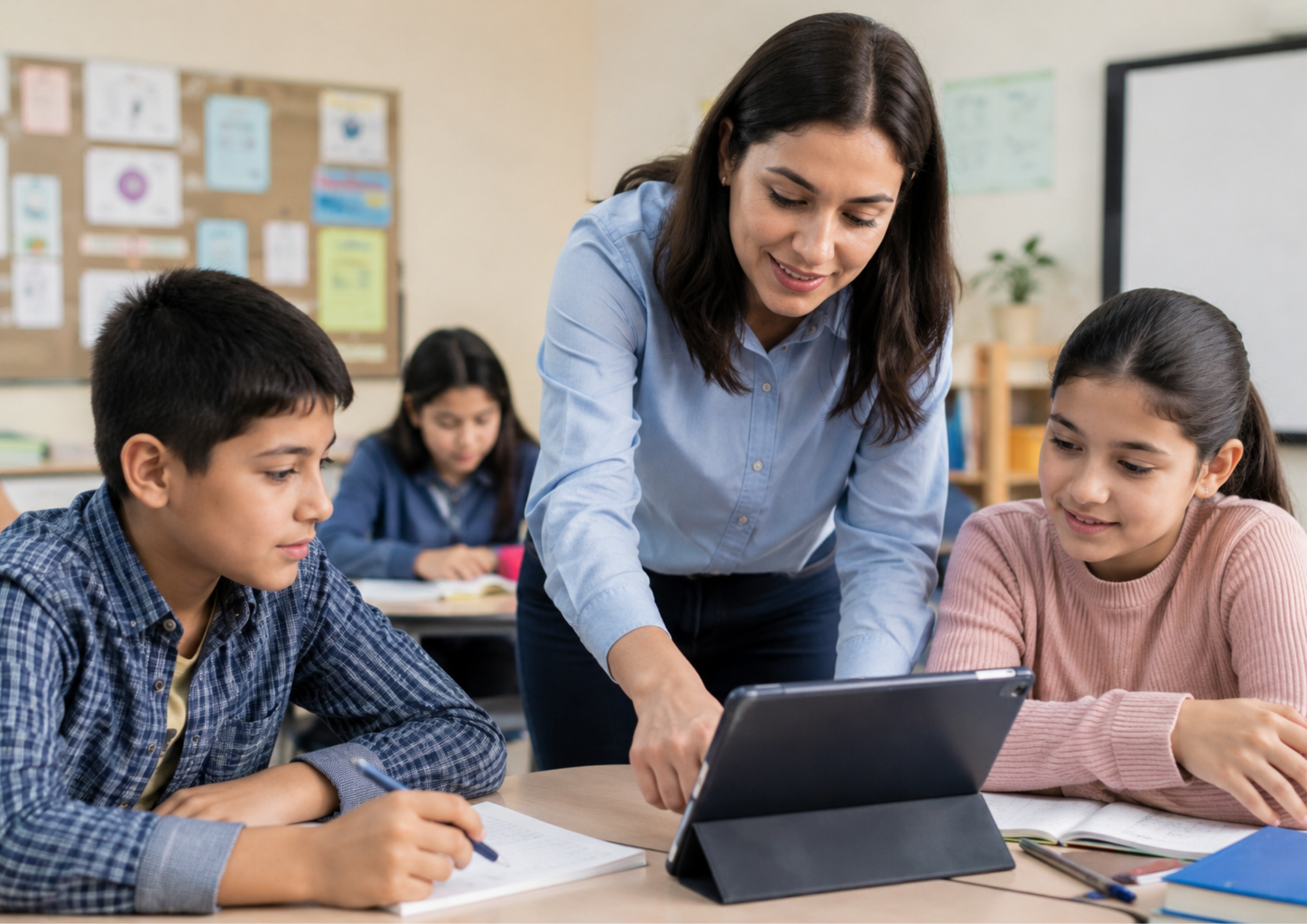
Teachers remain essential in student-centered classrooms. Their role evolves from information provider to facilitator and mentor.
Modern educators guide students by:
- Designing meaningful activities
- Encouraging participation
- Providing feedback
- Supporting critical thinking
- Building inclusive classroom environments
Effective teachers create spaces where students feel comfortable sharing ideas and asking questions.
This supportive atmosphere improves both academic performance and emotional development.
Future of Collaborative Classrooms
Education continues to evolve alongside technology and changing workforce demands. Schools are increasingly focusing on skills such as teamwork, communication, adaptability, and creativity.
Future classrooms are likely to include:
- Hybrid learning environments
- AI-supported educational tools
- Virtual teamwork projects
- Global student collaborations
- Interactive digital experiences
As learning becomes more connected and skill-focused, teamwork-based educational approaches will continue to play a major role in student success.
Conclusion
Modern education is moving beyond memorization and passive instruction. Today’s classrooms thrive when students actively participate, communicate openly, and learn from one another. Interactive teaching methods help students build confidence, strengthen problem-solving abilities, and prepare for real-world challenges. By creating supportive and engaging classroom environments, teachers can encourage deeper understanding and long-term academic growth while making learning more meaningful for every student.
Frequently Asked Questions
Q1. What is Collaborative Learning in modern classrooms?
Ans: Collaborative Learning is a teaching method where students work together in groups to solve problems, complete tasks, and share ideas for better understanding and engagement.
Q2. Why is Collaborative Learning important for students?
Ans: It helps students improve communication, teamwork, critical thinking, and problem-solving skills while making classroom learning more interactive and enjoyable.
Q3. What are the best Collaborative Learning techniques for schools?
Ans: Some effective techniques include group projects, peer teaching, think-pair-share activities, jigsaw learning, and problem-based learning tasks.
Q4. How can teachers improve Collaborative Learning activities?
Ans: Teachers can improve activities by setting clear goals, creating balanced groups, encouraging participation, and using interactive digital tools for teamwork.
Q5. Does Collaborative Learning increase student engagement?
Ans: Yes, Collaborative Learning encourages active participation, classroom interaction, and student confidence, which helps increase overall engagement and learning outcomes.