


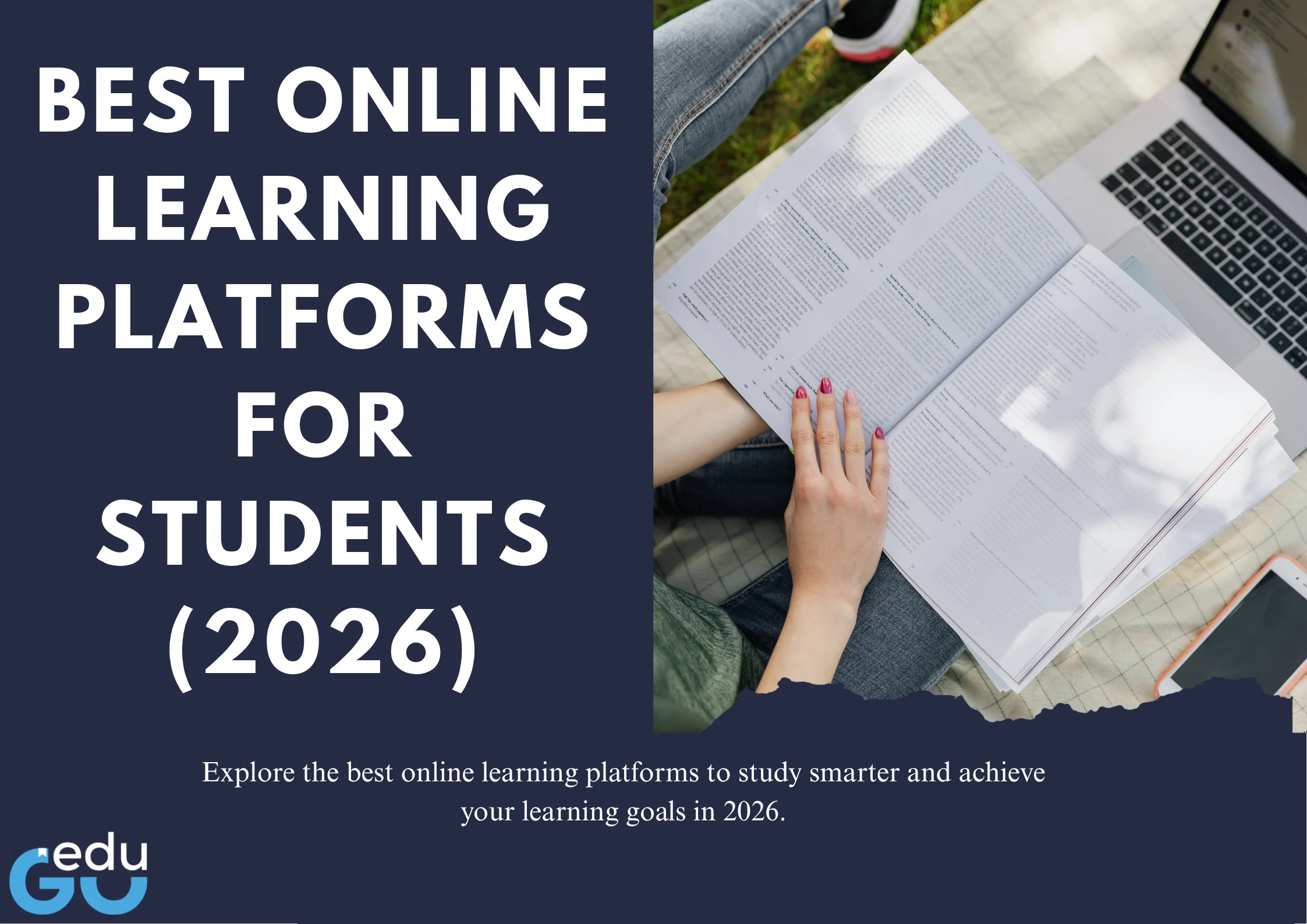
Education has changed dramatically over the past few years, and the way students study today looks nothing like it did a decade ago. Classrooms are no longer limited to four walls—they now exist on screens, accessible from anywhere, anytime. As a result, Online Learning Platforms have become an essential part of modern education, making quality learning accessible to students regardless of their location. This shift has turned digital education into a practical, everyday choice for millions of learners worldwide.
Whether you’re a parent searching for reliable resources, a student looking to sharpen your skills, or an educator exploring new teaching tools, finding the right digital classroom can feel overwhelming. With so many options available, choosing one that actually fits your learning style and goals matters more than ever.
In this guide, we’ll break down what makes a platform worth your time, compare some of the top choices for 2026, and help you decide which one suits your needs best.
What Makes a Good Online Learning Platform?

Not every website that offers courses is built the same way. Before picking one, it helps to know what separates a genuinely useful tool from one that’s just flashy marketing.
Course Quality and Structure
A strong platform offers well-organized lessons taught by qualified instructors. Look for clear learning paths, updated content, and material that matches recognized curriculum standards when relevant to school or college coursework.
Interactive Features
Static videos alone don’t keep students engaged for long. The better Online Learning Platforms include quizzes, live sessions, discussion forums, and progress tracking that make studying feel less like a chore.
Affordability and Accessibility
Cost is a real concern for most families. Many platforms now offer free trials, subscription tiers, or even completely free access to certain subjects, making quality education available to a wider range of students.
Mobile and Offline Support
Since many students study on the go, having a mobile app with offline access can make a noticeable difference in consistency and convenience.
Top Online Learning Platforms for Students in 2026
Here’s a closer look at platforms that continue to stand out this year based on usability, content quality, and learner feedback.
1. Khan Academy
Khan Academy remains a favorite among parents and teachers because it’s completely free and covers everything from basic math to advanced science. Its bite-sized video lessons and practice exercises make it ideal for younger students building foundational skills.
2. Coursera
Coursera partners with universities and companies to offer certified courses across nearly every subject. It’s particularly useful for older students and young adults preparing for college credit or career-focused certifications.
3. Byju’s
Popular among school-age children, this platform uses visual storytelling and gamified lessons to simplify difficult concepts, especially in math and science.
4. Udemy
Udemy offers thousands of self-paced courses on practical skills like coding, design, and language learning. It’s a solid pick for students who want to learn something specific outside their regular school syllabus.
5. Duolingo
For students focused on language learning, Duolingo turns practice into a daily habit through short, game-like lessons that are surprisingly effective for building vocabulary and grammar skills.
6. Skillshare
Creative students benefit from Skillshare’s project-based classes in art, writing, photography, and design — a great supplement to traditional academic learning.
How to Choose the Right Platform for Your Needs

With so many choices, picking the right one comes down to a few practical questions.
- What’s the learning goal? Academic support, skill-building, or exam preparation each call for different platforms.
- What’s the budget? Some families prefer free resources, while others are willing to invest in premium, certified programs.
- How much guidance is needed? Younger students often do better with structured, teacher-led content, while older students can manage self-paced courses independently.
- Is mobile access important? If study time mostly happens during commutes or breaks, app-based platforms work better.
Taking a few minutes to match these factors with available options usually leads to a more satisfying and productive learning experience.
Benefits of Using Online Learning Platforms
Digital education isn’t just a backup option anymore — it offers real advantages that traditional classrooms sometimes can’t match.
Flexibility in Scheduling
Students can study at their own pace, revisit difficult topics, and fit lessons around other commitments like sports, hobbies, or part-time work.
Wider Access to Quality Teaching
Geography no longer limits access to skilled instructors. A student in a small town can now learn from the same experts as someone in a major city.
Personalized Learning Paths
Many platforms use adaptive technology to adjust difficulty levels based on a student’s performance, helping them learn at a pace that actually works for them.
Cost Savings
Compared to private tutoring or specialized coaching centers, many digital options are significantly more affordable, especially for families managing multiple children’s education.
Common Mistakes to Avoid When Choosing a Platform

Even with good intentions, it’s easy to make choices that don’t pay off. Here are a few pitfalls worth avoiding.
- Signing up for too many subscriptions at once, leading to wasted time and money
- Ignoring reviews or trial periods before committing long-term
- Choosing a platform based only on price, without checking content quality
- Overlooking whether the platform suits the student’s actual learning style
A little research upfront saves a lot of frustration later.
Final Thoughts
Choosing among the many Online Learning Platforms available today doesn’t have to be complicated. The best approach is to start with a clear goal, try a few free trials, and pay attention to how engaged and motivated the student feels while using it.
Education in 2026 offers more flexibility and access than ever before. With the right platform, learning can become something students actually look forward to — not just another task on the to-do list.
FAQS
Q1. What are the best Online Learning Platforms for students in 2026?
Ans: The best Online Learning Platforms include Coursera, Khan Academy, Udemy, BYJU’S, Unacademic, edX, and Duolingo. The right choice depends on your learning goals, budget, and preferred study style.
2. Are Online Learning Platforms suitable for school students?
Ans: Yes, many Online Learning Platforms offer age-appropriate courses, interactive lessons, quizzes, and study materials that support school learning and improve academic performance.
3. Are free Online Learning Platforms effective for learning?
Ans: Many free Online Learning Platforms, such as Khan Academy, provide high-quality educational content. With regular practice and consistent study, students can achieve excellent learning outcomes.
4. How do I choose the right Online Learning Platforms?
Ans: When selecting Online Learning Platforms, consider factors such as course quality, instructor expertise, pricing, learning flexibility, certifications, and whether the content matches your educational goals.
5. Can Online Learning Platforms replace traditional classroom education?
Ans: Online Learning Platforms are designed to complement traditional education rather than replace it. They provide flexible, self-paced learning and additional resources that help students strengthen their knowledge and skills.