


Education is no longer limited to textbooks, memorization, and classroom lectures. Today’s students need practical skills, creative thinking, and the confidence to solve real-world problems. Schools and educators are increasingly focusing on teaching methods that prepare learners for life beyond exams.
One of the most effective approaches transforming classrooms today is Experiential Learning. This method encourages students to actively participate in activities, projects, discussions, and real-life experiences instead of simply listening to theoretical lessons. It creates deeper understanding and helps learners connect academic concepts with practical situations.
Modern education systems are evolving rapidly because employers, universities, and parents now value problem-solving abilities, communication skills, teamwork, and adaptability just as much as academic performance. As a result, schools that focus on interactive learning environments are helping students become more confident and capable individuals.
Understanding the Concept of Learning Through Experience

Learning becomes more meaningful when students are directly involved in the process. Instead of passively receiving information, they explore ideas, participate in activities, and reflect on their experiences.
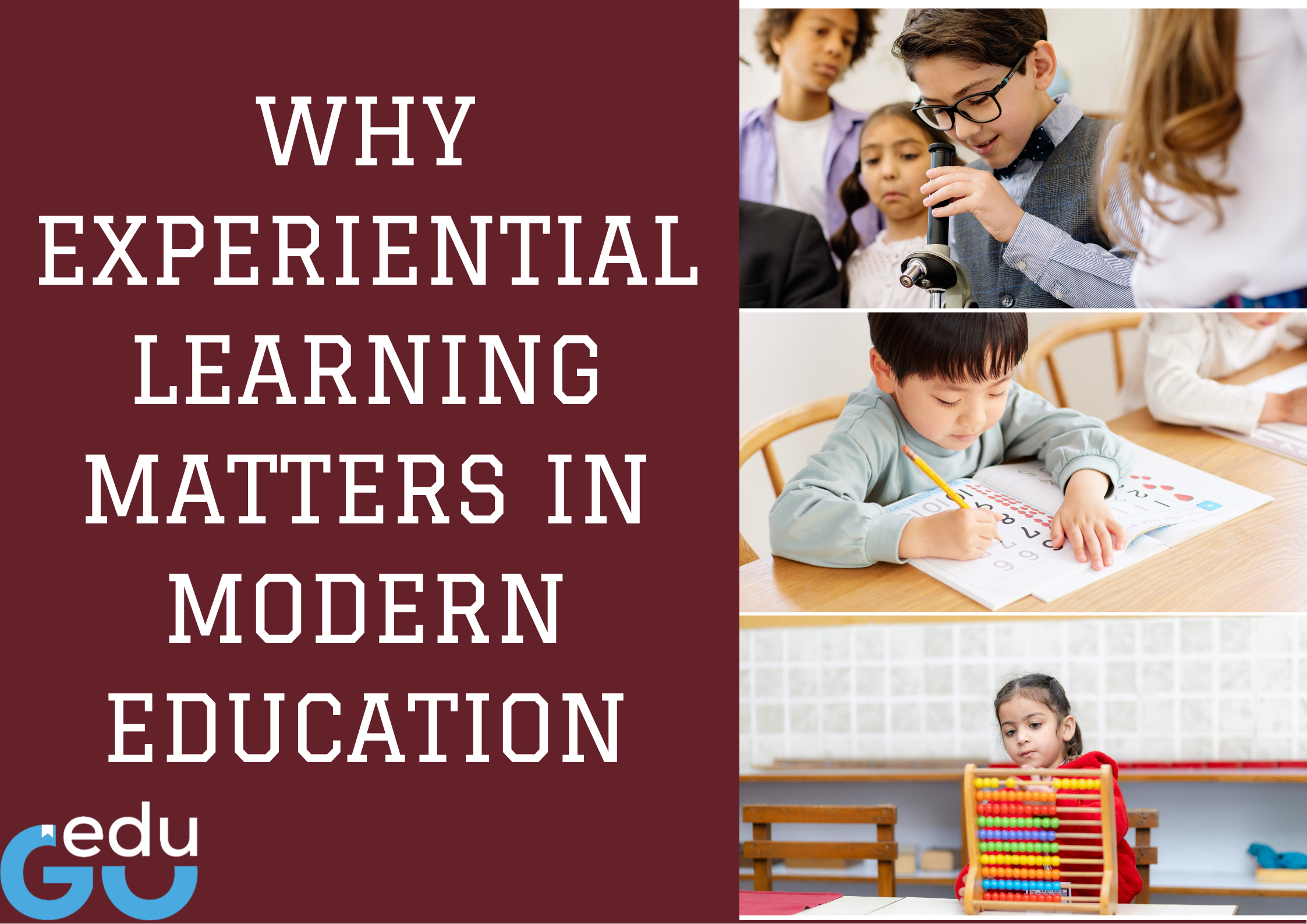
This approach may include:
- Science experiments
- Group projects
- Educational trips
- Role-playing activities
- Sports and leadership programs
- Classroom debates
- Community-based activities
When learners apply concepts in practical situations, they remember lessons more effectively. It also encourages curiosity and independent thinking.
How This Method Differs From Traditional Teaching
Traditional teaching often focuses on memorization and written examinations. While theory remains important, students may struggle to apply knowledge in real situations.
Experience-based education creates opportunities for learners to:
- Think critically
- Ask meaningful questions
- Work collaboratively
- Learn from mistakes
- Build communication skills
This balanced approach supports both academic growth and personal development.
The Growing Importance of Experiential Learning in Schools
Modern classrooms are changing because the needs of students and industries are changing too. Schools are now expected to prepare children for practical challenges, not just academic assessments.
Builds Real-World Problem-Solving Skills
Students learn better when they face real challenges and discover solutions on their own. Practical activities help learners understand how concepts work outside textbooks.
For example:
- Mathematics becomes easier through budgeting activities
- Science becomes engaging through experiments
- Communication improves through presentations and teamwork
These experiences strengthen analytical thinking and decision-making abilities.
Encourages Active Participation
Many students lose interest in lessons that rely only on lectures. Interactive learning environments keep students engaged because they become active participants rather than passive listeners.
Classroom participation improves when learners:
- Share opinions openly
- Collaborate with classmates
- Participate in discussions
- Explore creative ideas
Active involvement also increases confidence and motivation.
Improves Knowledge Retention
Students often forget information learned only for exams. However, experiences create stronger emotional and practical connections with concepts.
Research and classroom observations show that learners remember lessons longer when they:
- Perform tasks themselves
- Participate in activities
- Reflect on outcomes
- Engage multiple senses during learning
This makes education more meaningful and long-lasting.
Experiential Learning and Student Development

Education is not only about academic success. Personal growth plays an equally important role in shaping responsible and capable individuals.
Benefits of Experiential Learning for Holistic Growth
Schools that encourage practical learning help students develop emotionally, socially, and intellectually.
Strengthens Communication Skills
Interactive activities encourage students to express ideas clearly. Group discussions, presentations, and collaborative projects improve speaking and listening skills.
These communication abilities become valuable in:
- Higher education
- Workplace environments
- Leadership roles
- Daily interactions
Develops Teamwork and Leadership
Modern careers require collaboration. Students who participate in group-based activities learn how to cooperate, manage responsibilities, and support others.
Leadership opportunities in school activities help learners:
- Take initiative
- Solve conflicts
- Make decisions responsibly
- Build confidence
Encourages Creativity and Innovation
Creative thinking is essential in today’s fast-changing world. Practical learning environments allow students to experiment, explore, and develop original ideas.
Activities involving art, design, technology, and project-based tasks encourage innovation and imagination.
The Role of Teachers in Modern Learning Environments
Teachers remain one of the most important influences in education. However, their role is evolving from information providers to learning facilitators.
Guiding Rather Than Directing
In interactive classrooms, educators encourage students to discover answers independently. Teachers provide support, guidance, and constructive feedback instead of giving all solutions directly.
This approach helps students:
- Become independent learners
- Gain confidence in decision-making
- Develop curiosity
- Take responsibility for learning
Creating Engaging Classroom Experiences
Educators can make lessons more engaging through:
- Real-life examples
- Practical assignments
- Technology integration
- Collaborative projects
- Educational games
These methods improve classroom energy and student interest.
Technology and Modern Education

Technology has expanded opportunities for practical learning experiences. Digital tools help students explore concepts in interactive and creative ways.
Examples of Technology-Based Learning Activities
Modern classrooms may include:
- Virtual science simulations
- Interactive educational apps
- Online collaboration platforms
- Digital storytelling projects
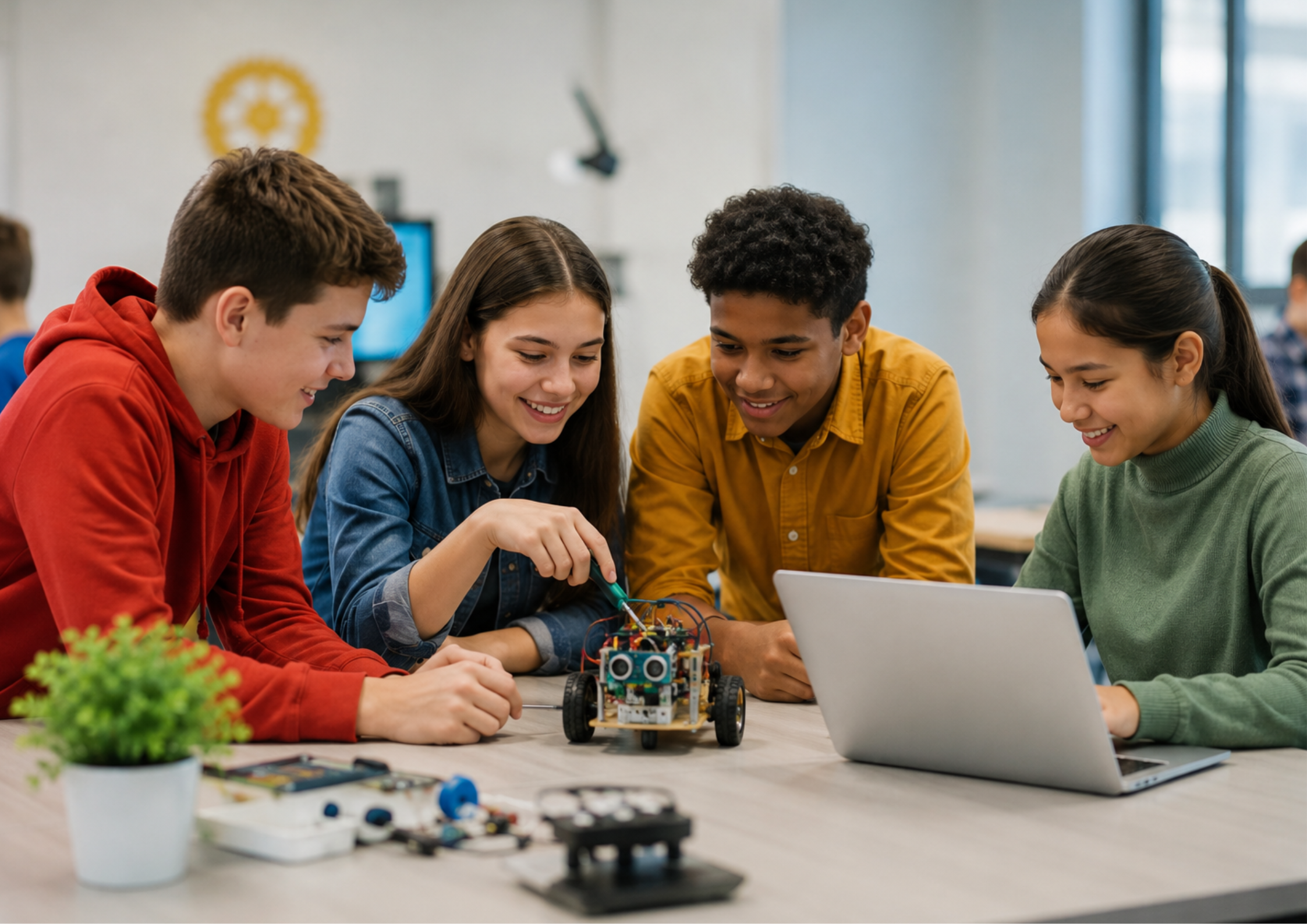
- Coding and robotics activities
Technology makes learning more flexible and accessible while encouraging innovation.
Balancing Screen Time and Practical Activities
While digital tools are valuable, balance remains important. Students also benefit from outdoor activities, discussions, sports, and hands-on projects that encourage social interaction and physical engagement.
An effective educational environment combines technology with meaningful human experiences.
Why Parents Value Practical Learning Approaches
Parents increasingly prefer schools that focus on overall student development rather than only academic scores.
Families recognize that children need:
- Emotional intelligence
- Adaptability
- Communication abilities
- Leadership qualities
- Practical life skills
Educational experiences that combine theory with application prepare students more effectively for future careers and responsibilities.
Parents also notice that children become more enthusiastic about learning when lessons are engaging and interactive.
Preparing Students for the Future
The future workplace will continue evolving due to technology, automation, and global collaboration. Students must be prepared with skills that remain valuable in changing environments.
These include:
- Critical thinking
- Creativity
- Collaboration
- Emotional intelligence
- Adaptability
Schools that encourage active learning experiences help students become flexible learners who can confidently face future challenges.
Employers today often look beyond academic grades. They value individuals who can communicate effectively, solve problems independently, and work well in teams.
Educational systems that prioritize practical understanding are helping students become career-ready from an early stage.
Challenges Schools May Face
Although practical learning methods offer many benefits, implementation may require planning and resources.
Common challenges include:
- Limited classroom time
- Lack of training for educators
- Resource availability
- Large class sizes
- Balancing theory with activities
However, even small classroom changes can make a significant difference. Schools can begin with simple group activities, project-based tasks, and interactive discussions.
Gradual improvements often lead to stronger student engagement and better learning outcomes.
Building a Balanced Educational Approach
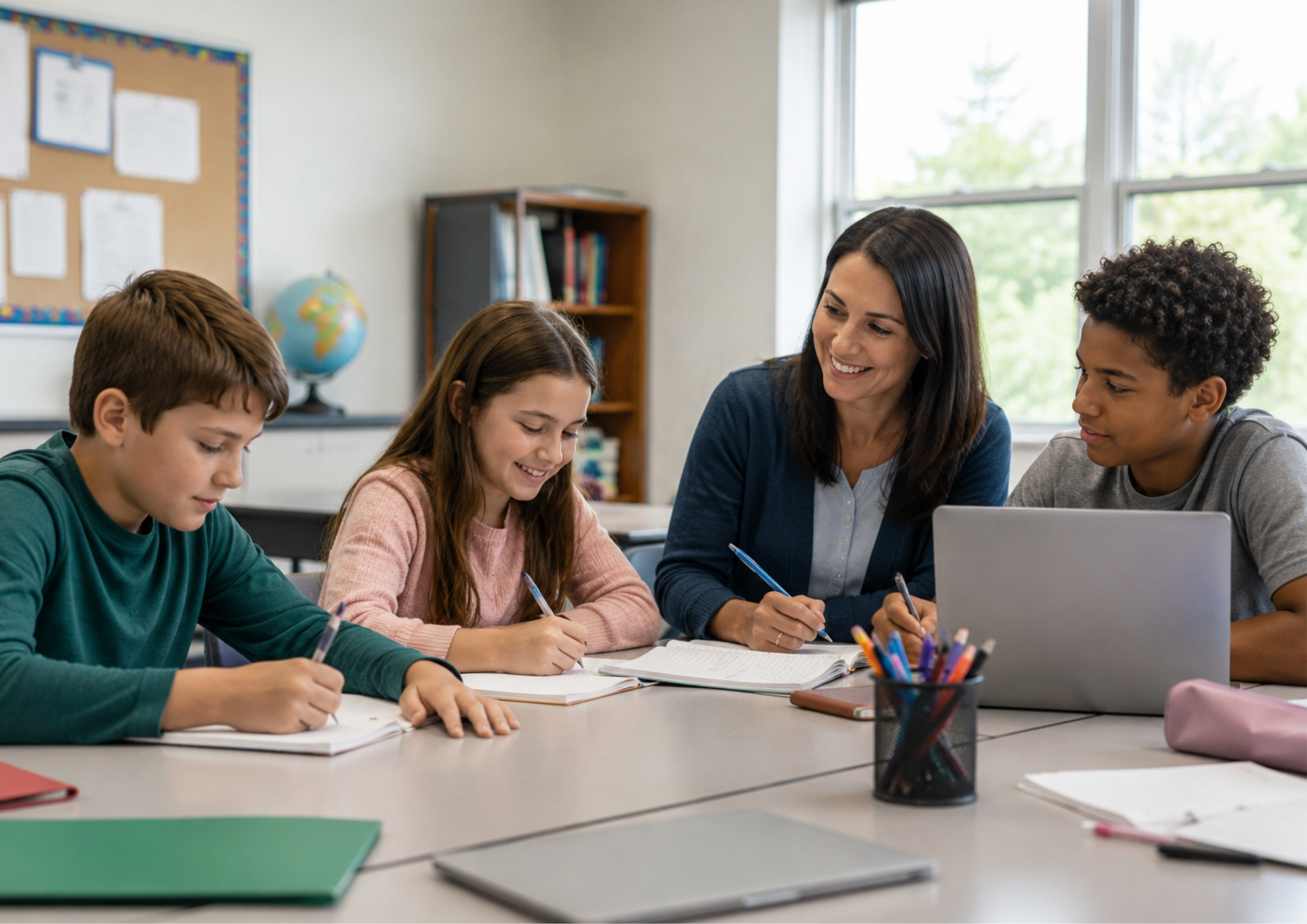
The goal of modern education should not be to replace traditional teaching completely. Instead, schools should create a balanced system that combines academic knowledge with practical understanding.
A well-rounded classroom includes:
- Strong conceptual learning
- Interactive activities
- Creative exploration
- Skill-based projects
- Reflective discussions
This balanced structure supports academic success while preparing students for real-world experiences.
Conclusion
Modern education must prepare students for more than examinations. Learners today need confidence, creativity, communication skills, and the ability to solve real-world problems effectively. Practical classroom experiences help students connect knowledge with action, making education more meaningful and engaging. Schools that encourage active participation and hands-on learning are shaping future-ready individuals who can adapt, collaborate, and succeed in an evolving world.
FREQUENTLY ASKED QUESTIONS
Q1. What is Experiential Learning in education?
Ans: Experiential Learning is a teaching method where students learn through practical experiences, activities, projects, and real-world participation instead of only theoretical lessons.
Q2. Why is Experiential Learning important for students?
Ans: It helps students develop critical thinking, communication, creativity, teamwork, and problem-solving skills that are essential for academic and career success.
Q3. How does Experiential Learning improve classroom engagement?
Ans: Students actively participate in discussions, projects, and activities, making lessons more interactive, interesting, and easier to understand.
Q4. What are some examples of Experiential Learning activities?
Ans: Examples include science experiments, educational trips, group projects, role-playing, debates, internships, and hands-on classroom activities.
Q5. Can Experiential Learning be used in modern schools?
Ans: Yes, modern schools widely use this approach because it supports practical learning, improves knowledge retention, and prepares students for real-world challenges.