

Education has changed tremendously in recent years. The chalkboards and textbooks of the traditional classroom are no match for the flexible learning environments now filled with smart devices and interactive resources. Both students and teachers are benefiting from new ways of learning that are more engaging and even more accessible.
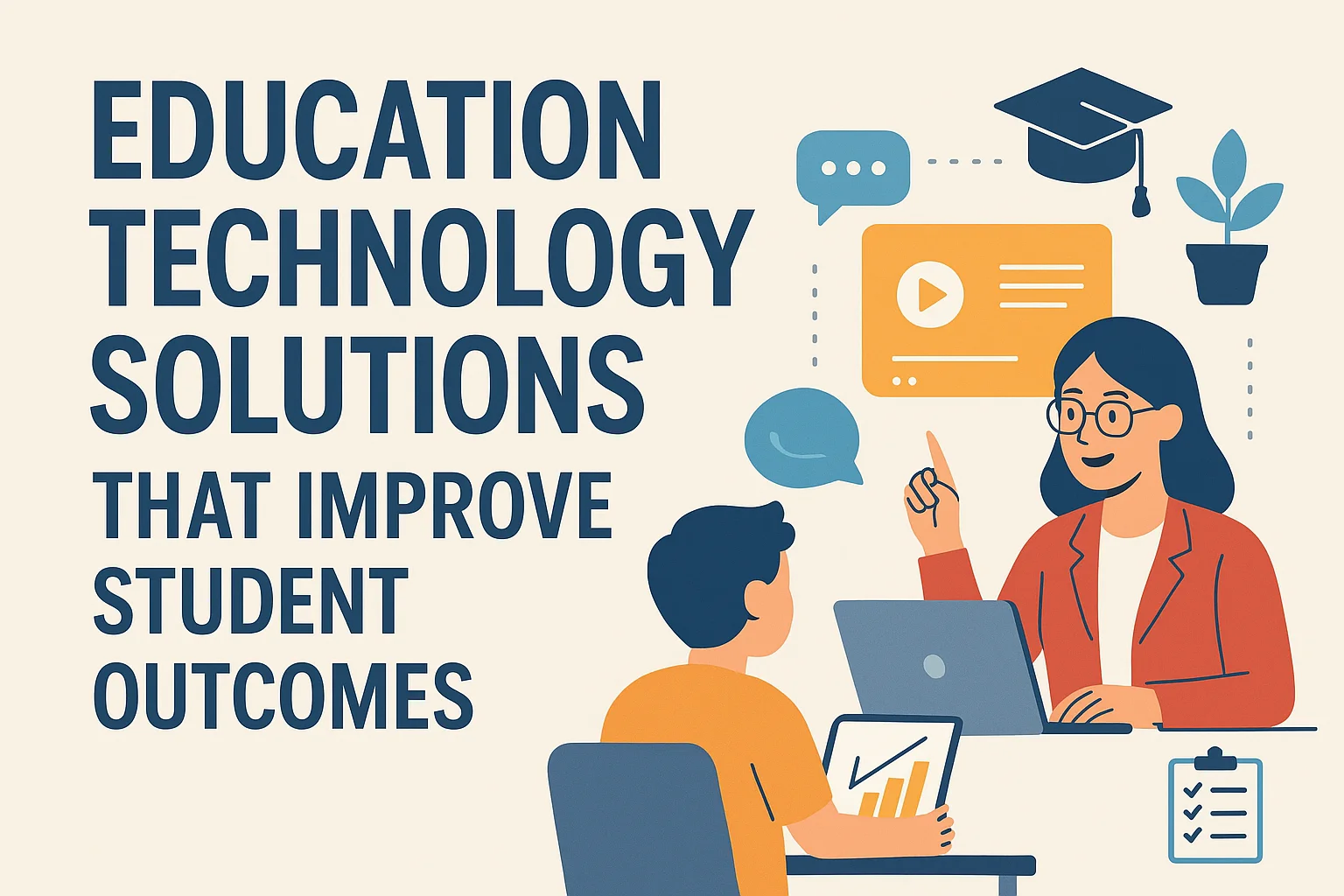
A large part of this evolution is education technology. Education technology is the combination of digital tools and resources to create customized and engaging learning experiences that are undeniably impactful. The use of education technology helps students stay engaged while learning, helps students understand difficult concepts more easily, and it allows students to collaborate with their peers and their teachers.
Why Technology Matters in Learning

Every student has their own unique learning style, their own way of absorbing and assimilating information and only have so much forward momentum to give. Not all conventional ways of teaching are compatible with all students. Nevertheless, technology has created new possibilities for re-conceptualizing how we bridge learning gaps.
With technology in the right hands, even complicated ideas can become comprehensible through visual stimuli, interactive examples or even game-like experiences.
In a world that shifts endlessly, consistently we are experiencing the transition from education, traditional teaching of knowledge through the practice of administration to current education technology.
When education technology fuses together elements of traditional teaching with digital platforms to create personalized classroom experiences, then student engagement can lead to personalized/exploratory learning.
Key Benefits of Education Technology Solutions
1. Personalized Learning for Every Student
Not all students learn at the same speed. Digital platforms allow teachers to design lessons that match individual student needs. For instance:
-
Adaptive quizzes that adjust difficulty based on answers
-
Learning apps that provide instant feedback
-
Video lessons that students can watch again at their own pace
This flexibility makes learning less stressful and more effective.
2. Higher Engagement with Students
Let’s be real kids can’t pay attention long to a lecture. Apps, VR lessons, and the use of game models all result in interest and engagement. When a lesson is set up as game or story, students will naturally engage longer and retain more knowledge.
3. Easy Access to Resources
No longer do students have to wait eagerly until library hours or check for longer hours to study in a library. Digital tools allow students instant access to e-books, journals, videos, and study guides no matter the time of the day or place.
This access makes self-learning easier and enhances students’ curiosity and sense of wonder beyond the classroom.
4. Better Tracking and Feedback
Teachers are able to track student performance with immediacy; managing dashboards & reports brings real-time insight into student progress – allowing for informed decisions to identify areas of strengths and weaknesses at an accelerated rate. Parents are now able to have a more insightful image of how their child is performing as a student other than fading exam results.
Popular Education Technology Tools in Schools

Learning Management Systems (LMS)
Learning Management Systems, such as Google Classroom or Moodle, allow teachers to store course materials, assign homework, and check student progress seamlessly and all in one place, so students do not feel lost!
Gamified Learning Apps
Gamified learning apps, such as Duolingo, Byju’s, or Kahoot! turn lessons into fun activities that take a dull lesson and convert it into a challenge, while also encouraging students to feel motivated to learn each day.
Smart Classrooms and Digital Boards
Interactive whiteboards, televisions, and touch screens allow lessons to be more interactive and engaging. Students can not only listen but directly interact with concepts.
Virtual Reality (VR) and Augmented Reality (AR)
Imagine studying history by walking through a virtual ancient city or learning science by examining a 3D human body. VR and AR bring abstract ideas to life and leave students with lasting impressions.
Web-Based Collaboration Platforms
Group projects are not restricted to in-person meetings and students can now collaborate, share documents, and brainstorm ideas using online tools such as MS Teams or Google Meet.
How Technology Enables Student Success

Increases Confidence and Creativity
Once students begin to understand concepts better, the confidence starts building. Creative tools like Canva, coding tools, or digital storytelling apps provide students an opportunity to represent their ideas, creatively.
Encourage Critical Thinking
Problem-solving games, coding tasks, and online simulations allow students to think beyond the textbook and be active participants versus passive learners.
Promotes Lifelong Learning
With resources available at the click of a button, students learn self-learning early in life, and that is something they will develop habits from that will assist them beyond school—in higher education, careers, and personal development.
Barriers and How to Overcome Them
Of course, discovering and using digital solutions is not senza fault. Here are some of the familiar barriers to implementation:
-
High Costs: Devices, smart boards, and software require investment.
-
Internet Issues: Not all students have stable internet at home.
-
Distractions: With so much online, it’s easy to lose focus.
Solutions? Schools and parents can work together:
-
Start with low-cost apps and free tools before moving to advanced platforms.
-
Provide offline resources for students with limited internet.
-
Create digital usage rules to balance learning and entertainment.
The Role of Parents and Teachers

Technology does not promise anything useful on its own—the potential resides with parents and teachers and how they deploy and use technology. Teachers must intervene and meld real-world discussions with digital lessons; parents can support and promote screen time around responsible digital use at home.
Most importantly, parents and teachers will help ensure that students also manifest curiosity, discipline and empathy in addition to digital skills.
Final Thoughts
The future of learning is not removing the teacher and having a computer do their job. The future of learning is ensuring a teacher and student can reach beyond what they can do alone.
Educational technology is a powerful partner in this endeavor. When education technology personalizes and engages learning while creating equal access for all learners, it elevates academic results and prepares students within an ever-changing world.
Education technology can evolve from experimentation to excitement – when schools, teachers, parents, and students find ways to embrace the right tools in balance.
Frequently Asked Questions
Q1. What is technology for learning and why is it important?
ans. Technology for learning is using digital tools, software and resources to improve learning and teaching. It is important because it supports interactive lessons, personalized learning, and increased student engagement and outcomes.
Q2. How do learning management systems (LMS) support the classroom?
ans. A learning management system is a digital space where materials, assignments, and teacher grading is all organized. An LMS helps teachers plan and manage individualized lessons with ease, while students can track their descriptions and progress and can engage with their peers or teacher through forums and a messaging tool.
Q3. What forms of technology for learning make lessons more engaging?
ans. Technology that facilitates interaction like interactive whiteboards, virtual reality, gamified learning apps, or online collaborative tools. These technologies provide hands-on experiences and greater fun learning, support cooperation and teamwork, foster creativity, and help students develop deeper understanding of topics.
Q4. What are some of the main challenges of using technology for learning in schools?
ans. Some common challenges are funding for devices, access to reliable internet and distractions caused by non-educational content. Possible solutions include selecting low-cost tools, providing students with offline learning resources, and encouraging the responsible use of technology and digital habits.