




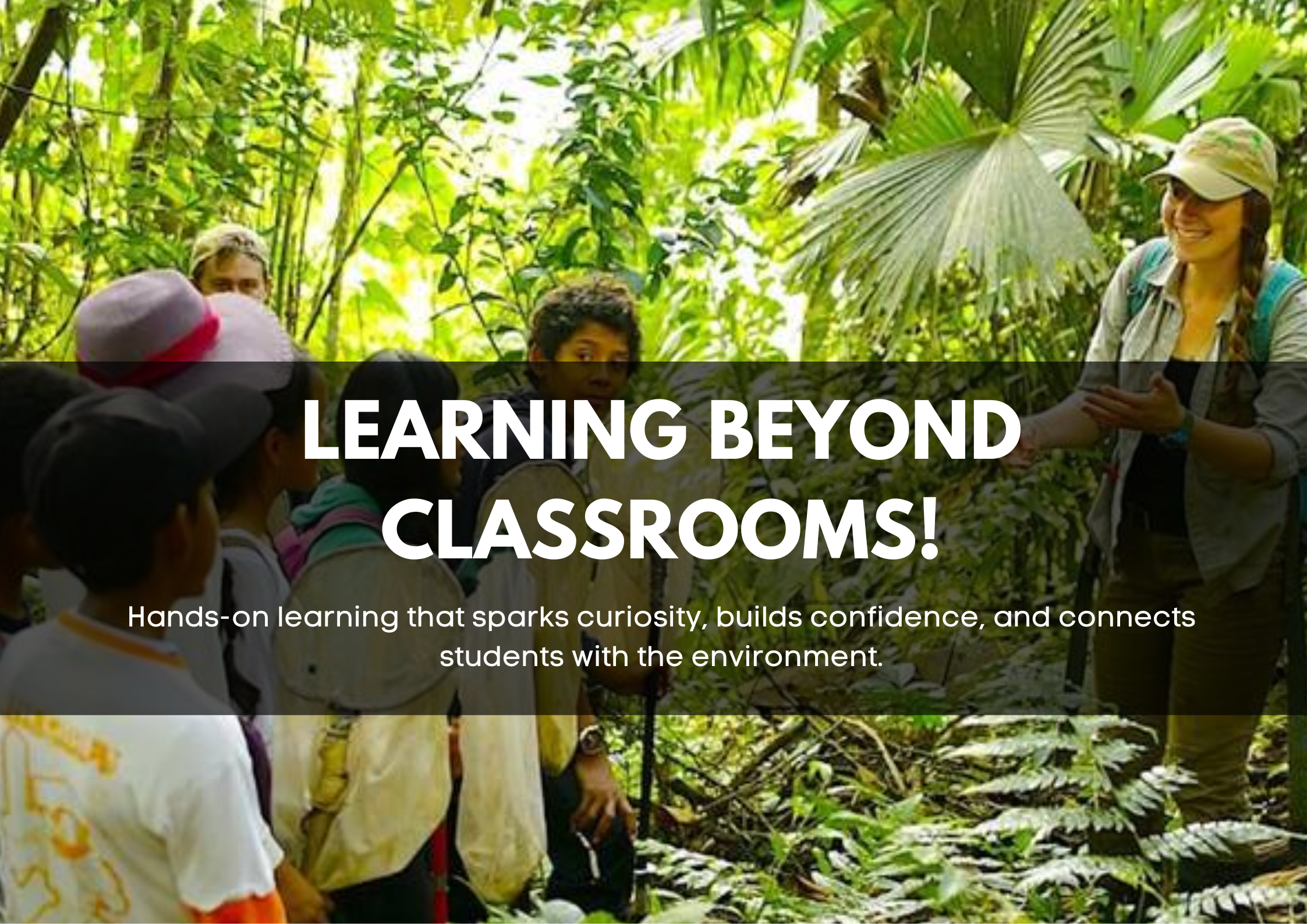
In the culture of disordered learning today, field visit has become the unconquerable instrument of integrative learning. Outside the four walls of the class room, field visits introduce one to first-hand experience. Whether it is a visit to ancient sites, an industrial complex, or even an environmental scheme, field visits allow students to relate theoretical knowledge to its practicability.
Field trips are no longer an add-on to learning but are a part of learning curiosity, critical thinking, and experiential learning. This blog discusses the importance, benefits, and best practices on how to organize good field trips for learners and thus turn into a useful blog to learners and parents.
What Are Field Visits?

Field trip is an educational excursion planned outside the college or school campus to provide practical exposure of the topic studied in the classroom. Field trips can be of many types:
- Educational excursions: Museums, historical sites, science centers.
- Industrial tours: Factories, laboratories, corporate offices.
- Environmental expeditions: National parks, gardens, wildlife sanctuaries.
- Community visits: NGOs, social welfare schemes, and local government departments.
Field trips must be interactive and enjoyable when learning. They allow students to learn by observing, studying, and understanding the meaning of complex concepts as much as possible from actual experiences, something that would not be simple to be direct in knowing using textbooks.
Why Field Visits Are Important

Field trips are extremely important in shaping a student’s learning experience. The following are why they are important:
1. Construction of Practical Knowledge
Theoretical knowledge is the focus in the classroom, while field trips provide experiential knowledge. A visit to a water purification facility, for instance, can teach students more about the process of purification than reading about the topic in a textbook.
2. Generation of Curiosity and Inquiry
Conceptions experienced by the students generate curiosity. They begin questioning, analyzing new ideas, and inquiring.
3. Interlinking Theory and Practice
Field trips provide a link between practice and theory in education. A student learning about ecosystems in school can learn about diversity and interdependence by going to a wildlife sanctuary.
4. Social Skills Development
Students interact with fellow students, experts, and guides during field trips and thereby improve on communication and collaboration. They are also introduced to resourcefulness and adaptation skills away from the regular classroom environment.
5. Emotional and Personal Development Engagement
Exposure to new environments, cultures, and careers makes students sensitive, aware, and more attuned to the world around them.
Field visit types

Field visits are categorized according to learning objectives:
- Educational Excursions
- These are history, culture, science, and art centered excursions. For instance
- Museums and heritage sites for history students
- Planetariums and science centers for science students
- Art galleries to be inspired
Industrial Visits
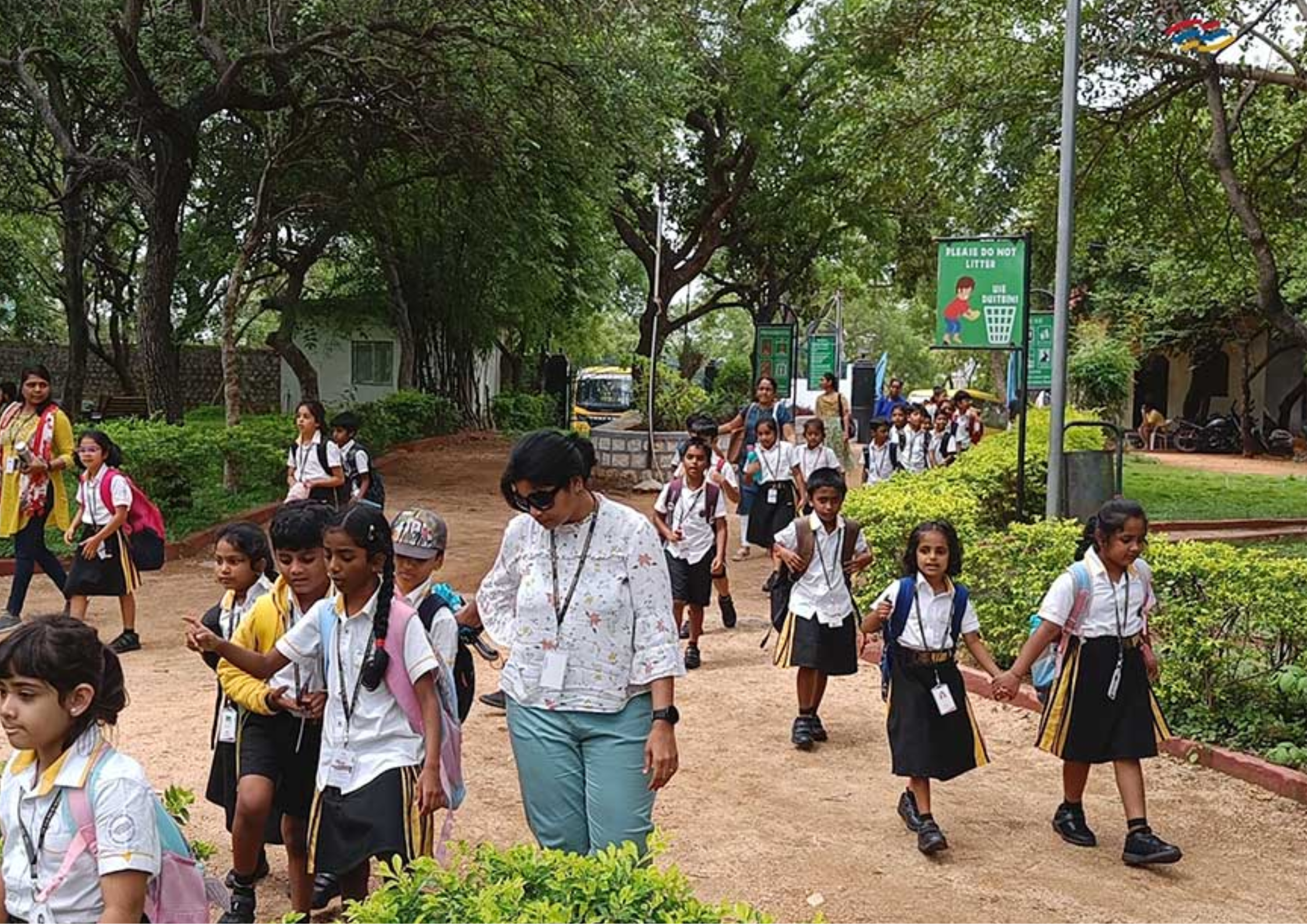
Industrial visits expose students to the corporate world, giving them an insight into working life and technological uptake in industry. Common examples are:
- Factories and production facilities
- IT firms and technology parks
- Research and laboratory facilities
- Environmental and Ecological Visits
These visits create environmental awareness and sustainability awareness. They may include:
- Nature trails and wildlife tours
- River cleaning or tree plantation drives
- Botanical garden visits
Community Engagement Visits

Community visits help students grasp social problems and impart their mite in a positive manner. Among them are:
- NGO interventions and social movements
- Government offices at the local level
- Health offices and rural development plans
Advantages of Field Visits for Students
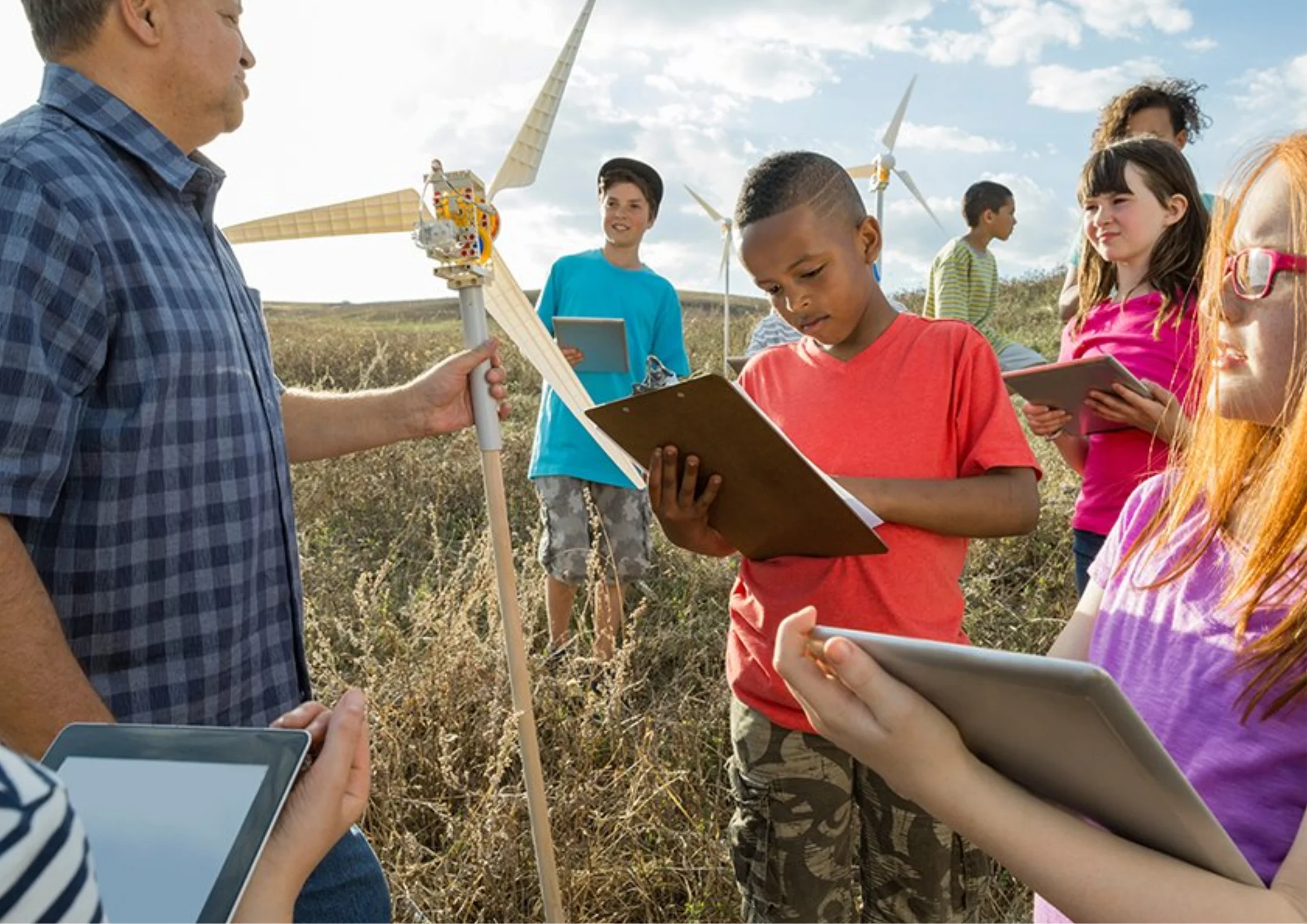
Field visits have advantages of different types that are beyond mental development. Let us discuss them:
1. Improved Retention and Comprehension
Students learn better when they are working with things directly. A visit helps in consolidating learning by relating theoretical concepts to tangible reality.
2. Inspiration and Passion
A properly arranged field trip evokes passion and maintains the interest of students. Students learn more about the things they observed during subject topics after expeditions.
3. Skill Development
Field trips also improve life skills like observation, critical thinking, teamwork, and problem-solving. Students also acquire research and report writing skills if they are asked to report their experience.
4. Exposure to Career
Industrial and professional field trips expose the students to occupations and career options, and they can opt for an appropriate career option for their professional studies and future career.
5. Cultural and Social Awareness
Students become aware of different cultures, lifestyles, and social problems through engagements with different communities, thus developing cosmopolitanism and empathy.
Best Practices in Field Visit Organization

In organizing a successful field visit, advanced planning is required. Some expert tips are as follows:
1. Establish Learning Objectives
Before planning, decide upon the major learning objectives. This engages the visit as part of the curriculum and offers maximum value.
2. Pre-Visit Preparation
Briefly tell students the where, where to observe, and what to look for. A checklist or worksheet will solidify learning and observation.
3. Meet the Experts
Secure professional presentations or guided tours. What they can share in terms of experience can add depth and working understanding.
4. Active Participation
Tell students to note, ask questions, and engage with the environment. Quizzing, graphing observations, or photographing are activity-based learning.
5. Post-Visit Reflection
Debrief on return. Explore their finding, respond to questions, and relate to class learning by assignment or presentation.
Challenges and How to Overcome Them

Field visits are precious but present problems:
- Logistical problems: Transport, permission, and scheduling can be tricky. Pre-planning and efficient coordination are necessary.
- Safety issues: Student safety is of utmost concern. Ensure adult supervision, emergency procedures, and first-aid packs.
- Limited participation: The students won’t learn much unless supervised. Formal activity and professional lessons optimize learning.
All these can be prevented with proper planning, and field trips are a worthwhile experience.
Conclusion
Field trips are not time for vacation—they are learning tools. Field trips generate interest, stimulate understanding, and active exposure to complement the classroom learning. Field trips are enduring impressions for students that influence their intellectual and personal lives. To parents, underwriting and facilitating field trips allows their children to have well-rounded education, with the problem-solving capacity of today’s world.
By incorporating field trips in curricula, schools and colleges can raise a generation of children who are inquisitive, well-educated, and ready to witness the world beyond text.
Frequently Asked Questions (FAQ)
Q1. What is the major objective of field visits?
Ans: Field trips are designed to create firsthand experience, relate theory with reality, and promote experiential learning among students.
Q2. How do field visits enhance students’ education?
Ans: They enhance learning, comprehension, and enthusiasm by enabling students to learn autonomously.
Q3. What are the most frequent kinds of field visits in schools?
Ans: School tours, industry tours, environmental tours, and community service trips are the most frequent.
Q4. How can parents guarantee that their child profit from a field visit?
Ans: Parents can provide organization, participation, and reflection subsequent to the visit to determine optimal learning benefits.
Q5. Are field trips safe for students?
Ans: Yes, if properly planned and overseen with the right safety precautions in mind, field trips are safe and worth it.


