



Health and Physical education is more than a break from textbooks — it’s the pulse of an integrated school life. From enhancing concentration levels to enhancing self-esteem, this subject makes all the difference in the holistic growth of children.
In today’s busy digital age, when screen time tends to override playtime, making sure students are exposed to regular physical education and health education has never been more vital.
What is Health and Physical Education?

Health and physical education (HPE) is a curriculum-based course centered on:
- Physical fitness and motor ability
- Mental and emotional health
- Nutrition and personal cleanliness
- Social and teamwork skills
It teaches students to take control of living healthier, developing good habits at an early age — habits that last a lifetime.
Key Advantages of Health and Physical Education in Schools
- Improves Academic Performance
Research indicates that students who engage in physical activity are more successful at school. Exercise improves brain function, memory, and concentration.
- Enhances Physical Fitness
Regular physical movement keeps children active, regulates weight, builds bone and muscle strength, and lowers the risk of conditions such as obesity and diabetes.
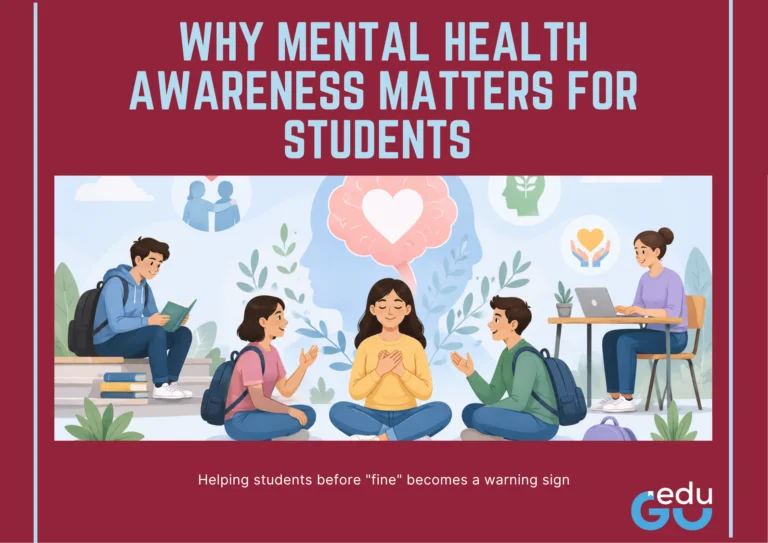
- Enhances Mental Well-being
Physical activity lowers stress and anxiety levels. It enables students to better regulate emotions, develop resilience, and remain mentally quick.
- Promotes Teamwork and Leadership
Sports and group exercises foster teamwork, communication, and leadership — essential skills in personal and professional life.
- Fosters Discipline and Goal-Setting
Physical and health education instills self-discipline, dedication, and goal-setting and accomplishment skills, both on and off the field.
The Teachers’ and Schools’ Role

- Weekly or daily physical education classes
- Provide health awareness classes
- Ensure balanced diet through canteen rules
- Foster sports, yoga, or dance participation
Training and Infrastructure
Hiring of well-trained PE teachers, secure equipment, and available grounds is the key to efficient implementation.
Health and Physical Education Across Different Boards
CBSE
The CBSE curriculum is infused with HPE as a formal subject from Class I to XII with a focus on fitness, health awareness, yoga, and games.
ICSE & State Boards
Most state and ICSE schools cover physical education under co-curricular activities but are increasingly formalizing it more in accordance with academic achievements.
IB and International Schools
International curriculums seamlessly place health and physical education within the broader context of the overall school life, incorporating sports, mindfulness, and mental well-being.
Challenges in Integrating Health and Physical Education
A balanced school life means more than just good grades. It’s about shaping well-rounded individuals. Health and physical education teaches children to:
- Manage stress through fitness and mindfulness
- Build friendships through team activities
- Respect their bodies and health choices
- Set goals and chase them with discipline
In essence, it creates a lifestyle — not just a subject to study.
Conclusion
Physical education and health sets the foundation for a successful, healthy school career. Schools that prioritize physical education in schools don’t just create high achievers — they raise emotionally healthy, confident, and strong children.
If you are a teacher, an educator, or a parent, this is the time to demand a curriculum that honors both brains and bodies. Let’s put health and physical education at the center — not the corner — of school life.
Frequently Asked Questions (FAQs)
Q1: Why is health and physical education necessary in schools?
It encourages physical fitness, mental health, discipline, and social skills — all necessary for overall development.
Q2: How frequently should students take PE classes?
Ideally, students should be given 3–5 PE sessions per week, depending on their grade and curriculum.
Q3: Is yoga a part of physical education?
Yes, many schools enroll yoga as part of physical education to enhance flexibility, mindfulness, and mental equilibrium.
Q4: Does physical education benefit one in academics?
Definitely. Physical activity on a regular basis enhances memory, concentration, and mental performance.
Q5: What is the role of parents in HPE?
Parents must support healthy habits at home, promote active play, and restrict television viewing.


