



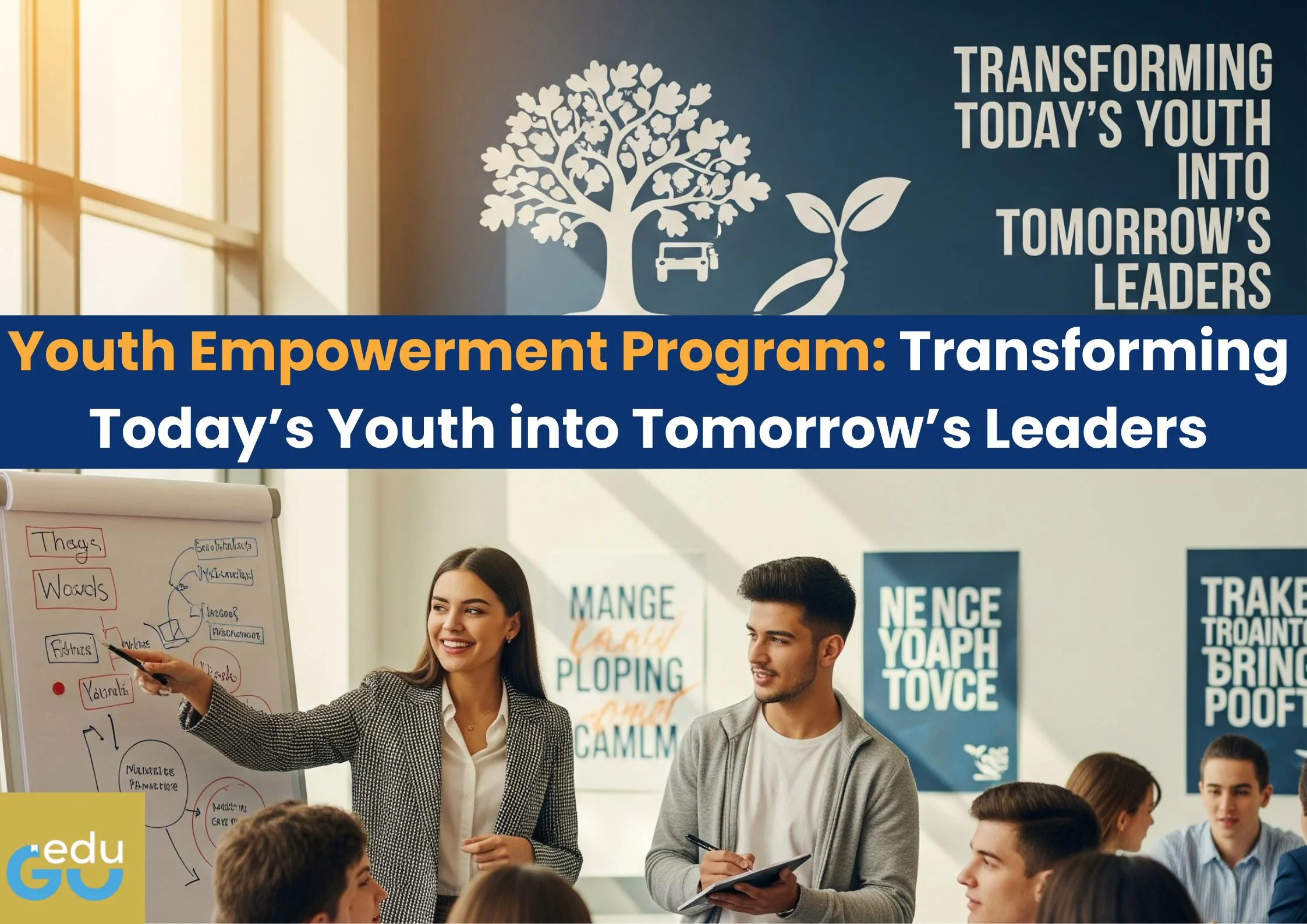
Among the rapidly changing world, youth have never been more valuable to society. Youth are the innovators, leaders, and changemakers of tomorrow. They have the potential to be so impactful, but without the support, resources, and opportunities their talents can get stuck.
Youth empowerment programs are structured, programmatic opportunities for youth to gain skills, confidence, and mentality to be changemakers in their communities. When we invest in youth today, we invest in a better, and more resilient tomorrow for us all.
What is a Youth Empowerment Program?
Youth empowerment programs target youth to advance their personal, social, and job skills. Youth empowerment programs include education, mentoring, leadership, civic engagement with the aim to help youth become competent, responsible, architects of their own future, and engage others to be accountable.
Youth empowerment programs are distinguished by their social purpose of enabling youth to become accountable for the lives they lead, contribute to society, and inspire others.
For better clarity, here are some common objectives of youth empowerment programs:
- Build self‑confidence and resilience
- Increase employability, which is achieved through the development of skills
- Improve civic engagement and volunteerism
- Improve leadership and decision‑making capacity
Why Youth Empowerment Matters in Today’s World

The number of youth around the world is at an all-time high, and the social, economic, and political impact of youth is significant. Many young people are still faced with a myriad of issues, including unemployment, lack of access to quality education, and little opportunity for upward mobility. A youth empowerment program attempts to address these gaps and offer tools and platforms to enable youth to prosper.
When empowered, youth are more likely to:
- Innovate and stimulate economic growth
- Advocate for social justice and equality
- Catalyze and lead community initiatives and mobilize others
- Break the cycle of poverty through education and entrepreneurship
In short, empowering youth is not just an investment in the individual youth; it is an investment in the future stability and prosperity of our society.
Core Principles of an Effective Youth Empowerment Program
All effective youth empowerment programs rely on a minimum number of essential principles to be effective:
1. Education and Skills Training
Education is the bedrock of empowerment. Most programs provide some academic support, vocational skill development training, and digital literacy courses to prepare participants for the workforce of today.
2. Leadership Development
Participants in youth empowerment programs develop informed decision-making, creative problem-solving and team-leadership skills to model for others through (i) community service and volunteering projects (ii) engagement in simulations and (ii) participation in best-practice workshops.
3. Mentorship and Networking
Provided opportunities to connect with caring mentors provide youth participants with systemic guidance, encouragement, information, consultation opportunities, and an influence on their choice of industries.
Youth meet others working in the industries they are interested in and granted opportunities to intern, collaborate, and work pro-socially, with other youth who share similar goals and opportunities for upper mobility within their community.
4. Community Connection
The work that participants engage in will encourage youth to seek volunteering and civic projects to both allow youth to develop a sense of belonging in the community and capture space and time within the community surrounding pro-social goals, and both social and human capital.
5. Self-Care and Mental Health
An effective youth empowerment program does not just shape high performing adult-behaviors. It shape the attitudes, beliefs and behaviors of youth, impact emotional intelligence, attitudes when stressed, coping strategies and self-care, and builds the mental-resilience of participants.
Turning Today’s Youth into Tomorrow’s Leaders

The transformation that takes place through a youth empowerment program is both individual and collective. Many youth participants come in not recognizing their own potential but leave with a keen awareness on the next steps to move them forward in their own life. As youth participants full of confidence, communication, and initiative, they positively impact many others.
Take, for example, a youth from a rural area who, after going through a youth empowerment program, learns some digital marketing skills, opens up their own small business, and eventually becomes a mentor for other youth in their community. This is a great example of the idea of empowerment multiplying – one empowered youth can then empower dozens more youth!
How to Start or Join a Youth Empowerment Program
If you’re an organization looking to start a program or and individual looking to join one, consider these ideas.
For Organizations:
- Identify Needs – Undertake a needs assessment of both challenges and opportunities in your identified target youth group.
- Develop Curriculum – The curriculum should include a variety of skill development, leadership activities and community projects.
- Engage Stakeholders – Partnership with schools, NGOs, businesses will provide resources, expertise and support.
- Monitor Outcomes – Identify your objectives and monitor the outcomes to ensure outcomes from the program.
For Individuals:
- Research Opportunities – It is important that you look to find your local organizations – whether they are NGOs, community centres or e-learning platforms that have an youth program
- Commit – Make a commitment of time and effort to the delivery of program.
- Take advantage of the Utilized Resources – Take advantage of you mentorship, networking or training opportunities.
- Give Back – Share your experiences and what you learned with your peers and/or the community.
Evaluating the Outcome of Youth Empowerment Programs

The effectiveness of a youth empowerment program can be evaluated through qualitative and quantitative indicators, such as:
- Employment – Increased job placements or startups with which participants are involved.
- Education – Increased enrollments in postsecondary education or vocational training.
- Community Initiatives – quantity and quality of community initiatives that are created or led by program graduates.
- Personal Development – increased confidence, communication, and leadership as participants self-reported.
Longitudinal studies often highlight that empowered youth will often remain as positive contributors to society, and therefore – a virtuous circle. A pathway towards sustainable development.
Future of Youth Empowerment
The progression of the model of young people’s empowerment is moving quickly. Digital technology supports global connections that allow young people in different countries to collaborate and generate ideas for collaborative projects; we can utilize the tools now available such as online skill-building courses, virtual mentoring sessions, and AI-based learning to democratize youth empowerment more than ever before.
Governments, non-governmental organizations, and companies, both public and private, are seeing the value in investing in youth. In ten years we could see a greater cadre of young leaders responding to the world’s challenges: the climate crisis, social inequality, and technological disruption and invasion have given all of these leaders a task to take on together.
Conclusion & Call to Action
Youth empowerment is not simply a training program; it is a blueprint for change. Equipping youth with the skills, confidence, and vision to lead young people not only changes lives, it also changes the futures of our communities and our nations.
If you are a young person seeking the right path for yourself, consider taking the first step and looking for a program that meets your interests. If you are an educator, policymaker, or community leader, think about what you might do to support or develop programming of a youth empowerment nature. The leaders of tomorrow are likely standing in front of us today – they just need the chance to succeed.
Frequently Asked Questions (FAQ)
1. What is a youth empowerment program?
A youth empowerment program is a predefined framework for engaging young people and giving them the skills, knowledge, and confidence they need to take ownership of their own lives, personally or professionally. Most youth empowerment programs will offer opportunities in leadership training, mentorship, skill development, and engage youth in community-based activities.
2. Why are youth empowerment programs important?
Youth empowerment programs help to reduce the gap between potential and opportunity. Youth empowerment programs prepare people to become proactive leaders, lead to better employability, foster civic and social responsibility, bring about innovation—all elements that contribute to better communities and better futures.
3. Who can participate in a youth empowerment program?
Most youth empowerment programs are open to youth aged 15 to 30, but often have unique eligibility requirements. Some youth empowerment programs specifically target students, while other programs target unemployed youth, young entrepreneurs, community volunteers, etc.
4. What skills will I learn in a youth empowerment program?
You will develop skills in:
- Leadership and decision making.
- Communication and public speaking.
- Problem solving and critical thinking.
- Digital literacy and vocational skills.
- Emotional intelligence and resilience.