

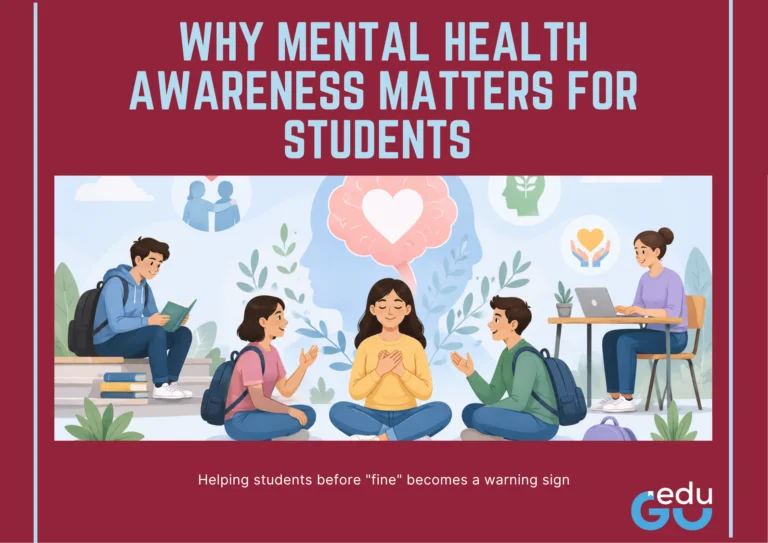



With the hectic school life of today, children are pushed to their limits—school work, extracurricular activities, social life, and dreams. Amidst all the madness, there is a simple yet powerful habit that can make a huge difference: meditation. For thousands of years, meditation has been respected as a friend to quiet minds and inner peace; today, it is more and more being implemented in school for its ability to improve focus, reduce stress, and enhance well-being.
In this blog, we’ll explore the advantages of meditation for students, how it positively influences their academic and personal lives, and why parents should encourage their children to adopt this life-enhancing habit.
Understanding Meditation and Its Use on Students

Meditation is a technique employed in an attempt to condition the mind for the acquisition of “clear mental thought,” inner peace, and greater consciousness. For students, who are assaulted with information as much as they are bombarded with expectations every single second of the day, meditation can serve as an intellectual restart button. Meditation is all about teaching them how to be here now, calm their moods, and control stress.
Colleges and schools around the globe are now integrating deep breathing, guided meditation, and mindfulness courses into health programs—showing how deeply the advantages of meditation for students are being recognized and embedded in younger minds.
The Mental Health Benefits of Meditation
Reduces Stress and Anxiety
Academic stress, tests, rivalry with peers, and parental pressure typically contribute to anxiety and tension among students. Meditation can turn on the parasympathetic nervous system that relaxes the body and the mind. Mindfulness or simple breathing daily has been found to lower cortisol levels (stress hormone) and achieve emotional equilibrium.
Increases Emotional Regulation
Students develop self-doubt, frustration, and mood swings. Emotional intelligence is developed through meditation by increasing sensitivity and sympathy. Meditation enables students to observe their feelings but refrain from acting on them, resulting in harmonious school and social life.
Increases Self-Confidence
Meditation aids in positive thinking and self-acceptance. When students become sensitive to thoughts, they can drop negative thoughts against themselves. These enhanced attitude brings about confidence and endurance, and they are able to solve problems with a positive mindset.
Educational Benefits of Meditation in Students

Enhances Concentration and Focus
Among the best-documented advantages of meditation for students is improved concentration. As a result of frequent repetition, the mind becomes more proficient at focusing and avoiding mind-wandering, an activity that is needed during study sessions, lectures, and tests.
Improved Memory and Cognitive Functioning
Meditation has also been shown to enhance the grey matter density in the brain, especially in regions that deal with learning and memory (Neuroscience of meditation). Students who meditate learn extremely well, memorize information, and recall details when they are being tested. These are clear academic advantages of meditation for students aiming to perform better.
Fosters Improved Time Management
With better concentration and fewer distractions, students are able to handle time more effectively. Meditation provides a sense of discipline and order, and as such, it makes it easy for learners to set priorities and get things done without delaying tasks.
Physical Health Benefits That Facilitate Learning
Enhance Quality of Sleep
Sleep deprivation will critically inhibit academic performance. Meditation relaxes the nervous system, slows down the heart rate, and quiets the mind—allowing students to fall asleep sooner and sleep sounder. Rested minds are sharper, more inventive, and more productive, which further shows the advantages of meditation for students who often struggle with irregular sleep.
Reduces Physical Symptoms of Stress
Headaches, fatigue, and muscle tension are a few of the typical signs of stress that students report. Deep breathing and progressive relaxation meditation methods have been reported to alleviate these symptoms, allowing students to stay physically active and mentally alert.
Increases Overall Level of Energy
Meditation daily rejuvenates the mind and avoids burnout. It allows conscious breathing, which provides more oxygen to the brain and makes a person more alert and keen to studies and other activities.
How Parents Can Encourage Meditation Practice

Although students can meditate independently, parents can give a gentle nudge so the habit continues. Some suggestions are given below:
-
Build a Habit: Get your child to create a routine time of the day for 10–15 minutes of meditation, ideally in the morning or before sleep.
-
Build a Calm Environment: Choose a less distracting location so meditation feels easy and natural.
-
Set an Example: Parents who meditate themselves are also going to raise their children to meditate.
-
Apply Guided Meditation Apps: Newcomers can even apply guided meditations, which break down the process and offer an organised method.
Encouraging these steps ensures students fully experience the lifelong advantages of meditation for students in both their studies and personal growth.
Easy Meditation Techniques for Students
Students don’t require intense training to begin meditation. Some easy techniques to begin with are:
-
Mindful Breathing: Sit comfortably, shut your eyes, and concentrate on breathing. Pay attention to inhale and exhale for a few minutes.
-
Body Scan: Lie down and deliberately scan all parts of your body from head to toe and release any tension you find.
-
Visualization: Visualize a peaceful and joyful place (e.g., beach or garden) and sit in imagination there for a few minutes to relax.
-
Gratitude Meditation: State what you have to be grateful for, creating positivity and emotional strength.
These simple techniques are an excellent starting point for unlocking the full advantages of meditation for students.
Why Meditation Is an Investment for Students in the Long-Term

The advantages of meditation for students reach far beyond the classroom. Meditation is a skill that develops mental toughness, emotional strength, and physical health—abilities that promote school achievement, but life as well.
By being in a position to relax and listen to themselves, students can effortlessly cope with stress, make improved decisions, Advantages of Meditation for Students and develop an attitude of wellness towards life. Teaching children to meditate is one of the greatest things a parent can do to help them assist long-term personal development.
FAQs On The Benefits Of Meditation For Students
Q1. How long should students meditate per day?
Ans: 5–10 minutes per day for beginners and can be stepped up to 15–20 minutes once they are used to it.
Q2. Will studying improve with meditation?
Ans: Yes, meditation improves concentration, memory, and focus, and all three get directly applied to enhanced study performance.
Q3. Is meditation suitable for kids?
Ans: Yes. Kids as young as 5 or 6 years old can be taught simple breathing methods to relax their minds and get into focus.
Q4. How rapidly can meditation assist students?
Ans: Improved concentration and reduced stress in some students in the short term, perhaps a few weeks, with greater emotional and mental benefits from consistent practice.
Q5. When and why should students meditate?
Ans: Early morning or evening are ideal times when the mind is relaxed and open, enabling a built-in habit.