


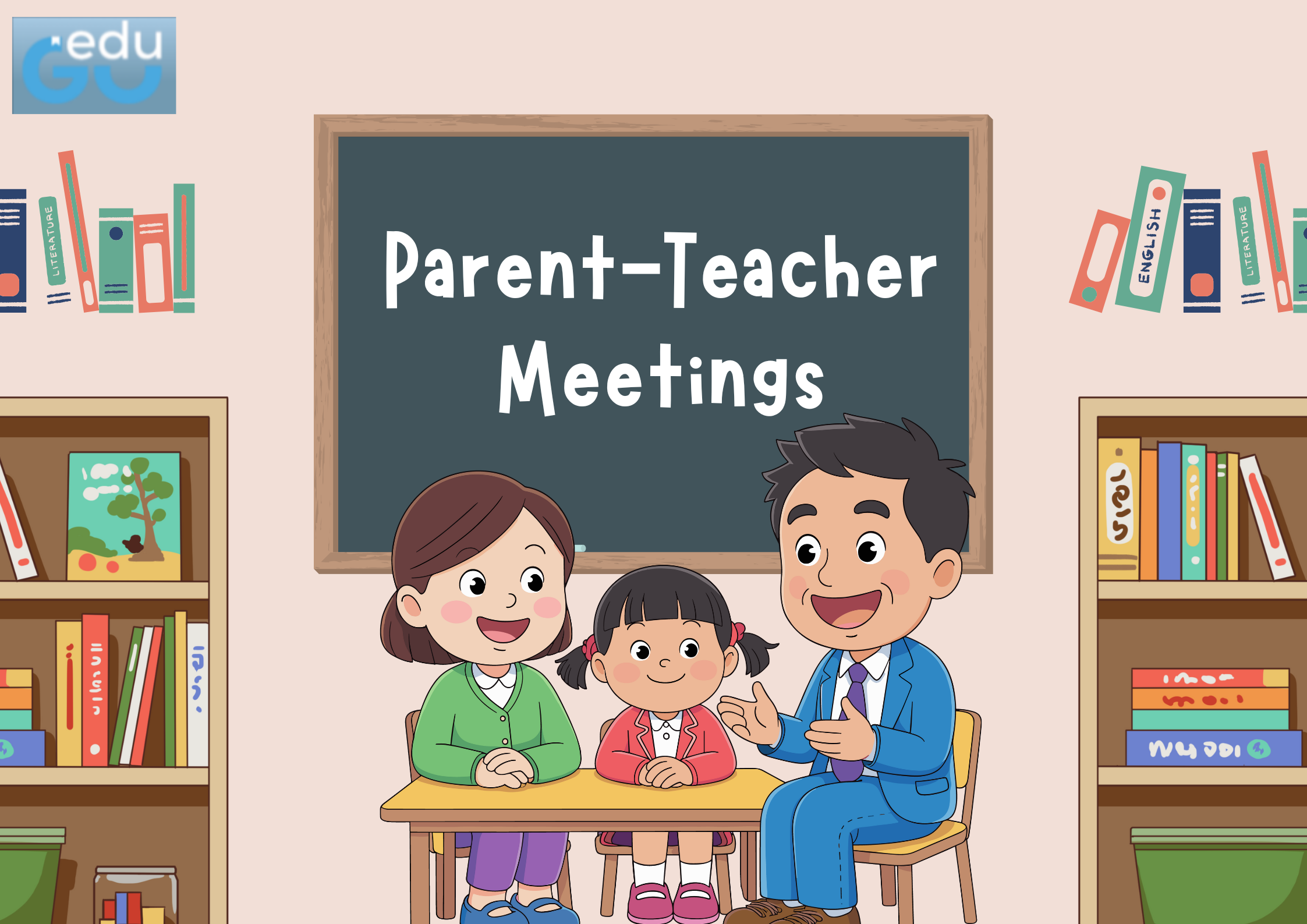
The parent-teacher meeting (ptm) is more than just a school ritual—it’s the starting point for crafting shining futures together. This valuable exchange of ideas between teachers and parents closes the loop between school and home, so every student has consistent support, motivation, and responsibility.
In the fast-paced learning today, the parent-teacher meeting serves as a venue where both parents and teachers work together in helping a student develop academically, emotionally, and socially. It is a time to learn about a child’s strengths, fix shortcomings, and establish a plan for ongoing improvement.
Why Parent-Teacher Meetings Matter

A parent-teacher meeting permits both parties to come into alignment regarding a student’s progress. It’s an opportunity to move beyond grades and address the student’s development as a whole.
The Role of Teachers in Parent-Teacher Meetings
Teachers are the bridge-builders in the school–home equation. Their role extends beyond instruction — they guide parents in understanding educational goals, learning styles, and behavioral development.
1. Providing Insightful Feedback
A well-prepared teacher uses the meeting to share clear, evidence-based observations. Rather than merely pointing out grades, they discuss learning progress, effort levels, and potential strategies for improvement. This helps parents grasp not only what their child is achieving but how they are learning.
2. Creating a Supportive Environment
The tone of the conversation is equally important. Teachers who approach meetings with empathy and patience make parents feel comfortable sharing their thoughts or challenges. A collaborative tone encourages joint problem-solving and promotes a positive school culture.
3. Planning for the Future
For older students, especially those preparing for crucial academic stages, such as board exams or career paths, parent-teacher discussions can shape future goals. Guidance from educators helps families make informed decisions about subject choices, extracurricular balance, and skill development — vital aspects of modern education.
Benefits of Strong School–Home Connections
1. Improved Academic Performance
Regular communication between parents and teachers ensures that students receive consistent feedback and support. Teachers can suggest strategies to help with specific subjects, while parents can monitor progress at home. This teamwork directly contributes to improved academic outcomes.
2. Enhanced Emotional and Social Development
Parent-teacher collaboration also supports a child’s emotional well-being. When parents understand their child’s social interactions or emotional triggers, they can reinforce positive behaviors and resilience at home. This balanced approach is particularly vital during the early years of Early Childhood Education, where emotional and social growth forms the foundation for lifelong learning.
3. Personalized Support for Every Student
No two students learn the same way. Through consistent meetings, teachers and parents can identify unique learning styles, strengths, and interests. This allows both to tailor their approach — ensuring every child gets the individual attention they need to succeed.
The Parents’ Role in PTMs

Active involvement of parents during a parent-teacher meeting makes children feel encouraged and supported. Parents, by regularly participating in these sessions, show their child that learning is a collective effort.
Parents can maximize PTMs by:
- Gauge this advance review of academic reports and teacher comments.
- Asking targeted questions regarding classroom attitude, learning patterns, and areas for improvement.
- Taking notes and sharing action points with their child later.
- Regularly keeping in touch with teachers, aside from PTMs.
- When parents work together, the outcome is a more robust support network for the student’s academic and emotional health.
The Teacher’s Role in PTMs

Teachers have an equally important role to play in making parent-teacher meetings worthwhile. Their aim is not merely to report on progress but to develop a collaborative partnership for student success.
Teachers can make PTMs better by:
- Preparing thorough performance reports for every student.
- Pointing out both strengths and areas of improvement.
- Providing actionable tips and learning strategies.
- Establishing a friendly, solution-facilitating environment for dialogue.
- When teachers and parents speak clearly to one another, it reinforces the student’s self-esteem and generates a consistent approach to learning.
Challenges in Conducting Effective Parent-Teacher Meetings

While the benefits are clear, organizing productive meetings comes with challenges that require understanding and adaptability.
1. Time Constraints
Busy schedules can make it difficult for both parents and teachers to find convenient times. Schools can address this by offering flexible scheduling or online meeting options.
2. Communication Barriers
Language differences or cultural variations can sometimes make discussions less effective. Schools can bridge this gap through translators, visual aids, or written summaries to ensure every parent feels included.
3. Emotional Sensitivity
Discussions about a child’s struggles can be emotional. Both parents and teachers must approach such topics with empathy, focusing on solutions rather than shortcomings. Constructive feedback helps families stay motivated and cooperative.
Creating More Meaningful Parent-Teacher Meetings
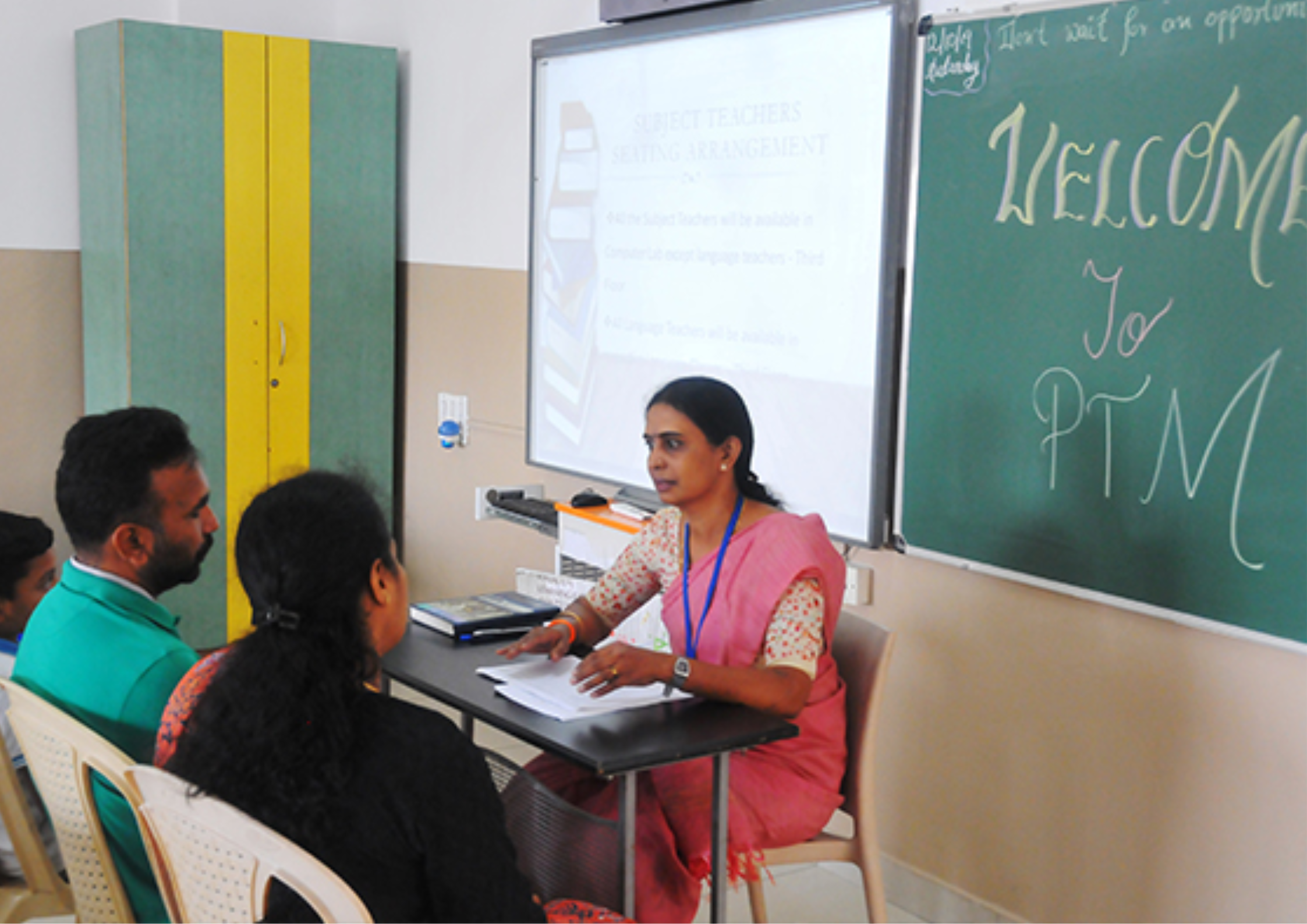
To make these interactions more fruitful, schools can adopt structured formats and inclusive strategies:
-
Prepare in Advance: Teachers should review student records and note specific discussion points. Parents can list questions or concerns beforehand.
-
Encourage Two-Way Dialogue: Meetings should feel like conversations, not evaluations.
-
Set Actionable Goals: Each session should end with clear takeaways — whether it’s improving reading habits, managing screen time, or boosting participation in class.
-
Follow Up: Periodic communication after the meeting ensures continuity and accountability.
Schools known for fostering strong partnerships between parents and teachers — such as the best school in india — often integrate these practices into their educational philosophy, promoting consistent collaboration year-round.
How PTMs Empower Students

Parent-teacher meetings empower students by making them realize that their education is considered important by their parents and teachers alike. This joint counseling benefits them by instilling responsibility, discipline, and motivation in them.
PTMs empower students through:
- Individualized feedback and counseling.
- Positive reinforcement from both home and school.
- Assistance to overcome learning difficulties.
- Building self-confidence and responsibility.
- Collectively, these results are the foundation of creating shining futures—where every child is encouraged and enabled to become all they can be.
Conclusion
Parent-teacher meetings are more than administrative formalities — they are opportunities to nurture relationships, align expectations, and create a shared vision for every child’s growth. When parents and educators work hand in hand, children benefit from a supportive ecosystem that values both academic achievement and emotional balance.
Building stronger school–home connections is not a one-time effort but an ongoing journey. Through consistent communication, trust, and understanding, schools and families together can create an environment where every child feels guided, valued, and inspired to reach their full potential.
FAQs on Parent-Teacher Meetings (PTMs)
Q1. What is the main purpose of a Parent-Teacher Meeting (PTM)?
ANS. The main purpose of a PTM is to build communication between parents and teachers, helping them work together to improve a student’s academic and personal growth.
Q2. How does a PTM help in a student’s development?
ANS. PTMs help track progress, identify learning challenges, and provide personalized feedback that strengthens a student’s confidence, discipline, and motivation.
Q3. Why is parent participation important in PTMs?
ANS. When parents actively participate in PTMs, they show support for their child’s education, understand classroom performance better, and create a strong home-school connection.
Q4. What should parents discuss during a PTM?
ANS. Parents should discuss their child’s academic performance, behavior, learning habits, and areas of improvement, while also seeking guidance from teachers on how to help at home.
Q5. How do teachers benefit from PTMs?
ANS. Teachers gain valuable insights into a student’s home environment, which helps them tailor teaching methods and provide better academic and emotional support.


