




It is a parent’s proud moment to send their child to school. Along with scholarship and extracurricular activities, though, safety is always at the top of the list. In the modern era, it is as important to teach children safety tips as it is to assist them with their homework. Whether your child goes to a local school or one of the famous boarding schools in India, getting them prepared to handle daily situations safely can be a source of relief for both parents and students alike.
1. Teaching Personal Safety Skills

A. Identifying Unsafe Situations
Begin with the fundamentals. Kids should learn how to identify red flags in their environment and interactions.
- Give them instructions on saying “no” when they feel uneasy.
- Describe how to find trusted adults (teachers, school officials, security guards).
- Assist them in recognizing situations that need urgent assistance.
B. Fostering Open Communication
Building a home setting where kids feel comfortable speaking is important.
- Establish a daily time to discuss their day.
- Tell them it’s alright to report anything that doesn’t feel right.
- Remind them that you’re always there to assist.
2. Travel and Transit Safety Tips

A. Traveling by School Bus
Traveling safely begins the moment your child departs home.
- Get to the bus stop ahead of time and stand off the road in a safe area.
- Sit down at all times during the ride.
- Never walk behind the bus or play along the traffic.
B. Walking or Cycling to School
If your child walks or bicycles, remind them of the following safety guidelines:
- Always walk on sidewalks and cross at crosswalks.
- Don’t take shortcuts through deserted areas.
- Bike and wear helmets, and reflective clothing at night.
3. In-School Safety Awareness

A. Adhering to School Rules
School rules exist for a purpose—most often safety.
- Go over the school code of conduct with your child.
- Emphasize the value of heeding teacher directions.
- Talk about school drills and emergency response procedures.
B. Knowing Emergency Contacts
Help your youngster memorize the following information:
- Full name and home address.
- Your number and alternative contact.
- Who to call at school in the event of an emergency.
4. Safety During Emergencies

A. Lockdown and Fire Procedures
All schools have safety drills. Make sure your child knows why they are important.
- Stay calm and listen carefully.
- Find a safe hiding place or evacuation route.
- Never go back inside until instructed that it is safe to do so.
B. Natural Disasters and Other Hazards
Depending on your area, your child might require more instruction.
- For earthquakes, instruct “Drop, Cover, and Hold On.”
- For floods, avoid electrical wires or standing water.
- Always tune into announcements and warnings.
5. Digital Safety in the Digital Classroom

A. Social Media and Internet Manners
With more screen time, kids are more at risk online.
- Instruct them to never provide personal information (address, school name, etc.) online.
- Promote the use of strong passwords and privacy settings.
- Supervise their screen time and list of friends.
B. Steer Clear of Cyberbullying
Cyberbullying can lead to psychological and emotional damage.
- Make your child report any kind of cyberbullying.
- Keep lines of communication open and acknowledge their emotions.
- Block and report the offending profiles on social media.
6. Hygiene and Health Safety Tips
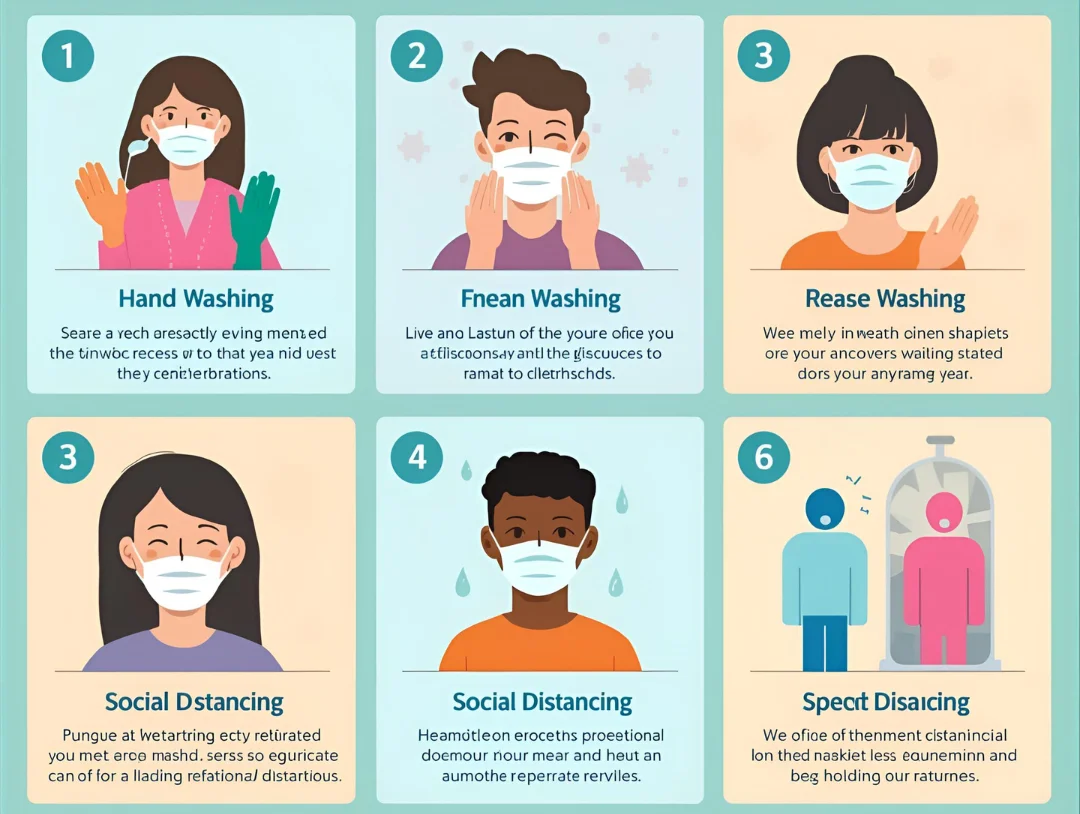
A. Sustaining Clean Habits
Health safety became most prominent after the pandemic.
- Train them in frequent handwashing with soap and water.
- Encourage mouth-covering upon sneezing or coughing.
- Offer a hygiene kit: tissues, sanitizer, and a face mask.
B. Nutrition and Safe Eating Habits
Safe and healthy habits are also associated with health.
- Avoid sharing food and water bottles.
- Encourage balanced meals rather than fast food.
- Teach the need for hydration during the school day.
7. Mental and Emotional Safety

A. Managing Stress and Peer Pressure
Students tend to struggle emotionally during school life.
- Help them acknowledge their feelings.
- Encourage journaling, deep breathing, or talking to a counselor.
- Educate them to remain steadfast on their principles even in peer pressure scenarios.
B. Identifying and Reporting Bullying
Bullying is not always physical—it is verbal or emotional as well.
- Teach the child what bullying is.
- Role-play how one can react and ask for help.
- Note that standing up for oneself is a reflection of strength.
8. Safety Tips for Boarding School Parents

A. Ensuring Constant Interaction
- Schedule weekly video or phone meetings.
- Send emails or letters to maintain the emotional connection.
- Send care packages to celebrate small wins.
B. Familiarizing Yourself with School Safety Procedures
- Join orientations and study campus safety regulations.
- Ensure the school maintains current contact and health information.
- Discuss homesickness and promote friendship-making.
9. Leverage Technology to Stay Safe

A. GPS Location and Safety Apps
Current technology can assist you in staying in touch with your child.
- Use GPS-enabled apps to track bus routes or locations.
- Emergency alert apps can notify you instantly during crises.
- Teach children how to activate emergency calls on their devices.
B. Setting Safe Tech Boundaries
Teach digital discipline along with digital safety.
- Limit screen time before bed.
- Encourage educational games over random downloads.
- Check device usage and history regularly.
10. Creating a Safety Routine at Home

A. Practicing Situations at Home
Simulating common scenarios at home can improve response skills.
- What to do if someone attempts to follow them.
- How to dial 100 or 112 in case of an emergency.
- How to react if a friend is injured at school.
B. Positive Reinforcement
Celebrate your child’s good choices.
- Compliment them on good behavior.
- Provide rewards for good application of safety tips.
- Reinforce the fact that their safety is of greater importance than anything else.
Final Thoughts
Safety is not only the school’s concern, but it is a collective effort of teachers, students, and above all, parents. These safety tips are not only instructions; they’re lessons that your child will carry with them throughout their lives. From traveling to technology, body safety to emotional safety, your teaching is what matters. Whether your child is beginning kindergarten or getting ready for their last year of school at one of the boarding schools for girls in India, begin the conversation early and make safety a part of daily life.
Frequently Asked Questions
1. What are the most fundamental safety guidelines for every school child to learn?
The most important guidelines are avoiding strangers, not divulging personal information, and informing a trusted adult of any awkward encounters.
2. How do parents keep an eye on their child’s safety while at school?
Employ GPS tracking software, communicate with teachers, and arrange for frequent check-ins with your child.
3. What are the most critical digital safety tips guidelines for school children?
Don’t give out personal information on the web, employ strong passwords, and don’t reply to a mysterious message.
4. What do I put in my child’s emergency contact list?
Your keys, a secondary contact (such as a grandparent), home address, and medical information.
5. Is emotional safety at school as essential as physical safety?
Yes. Students need to share feelings to feel safe and be able to focus, learn, and grow. Support them to talk about emotions. Be calm, supportive, and understanding.


